Summer Camps: A Lever for Education and Citizenship
Summer Camps: A Lever for Education and Citizenship
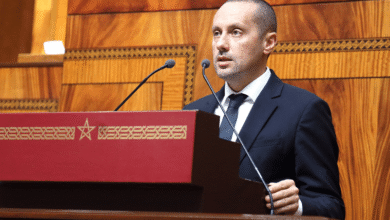
The National Summer Camps Program goes far beyond a mere seasonal activity. It constitutes an essential socio-educational space that fosters the learning of values such as citizenship, responsibility, and cultural openness. This was highlighted by the Minister of Youth, Culture, and Communication, Mohamed Mehdi Bensaid, during the National Gatherings on Summer Camps held in Rabat.
This meeting, organized in partnership with the National Federation of Summer Camps, is part of a collective reflection process aimed at developing a new strategic vision for this emblematic program.
An Ambitious Vision Toward 2030
Minister Bensaid emphasized the need to transform summer camps into vibrant and educational spaces throughout the year. This would involve implementing thematic programs, youth universities, and ongoing training targeted at children and young people.
He also stressed the importance of establishing a sustainable national model for summer camps, focused on quality, innovation, and cooperation among various institutional and associative stakeholders. This model must align with human development goals and place children and youth at the heart of public policies.
An Inter-Institutional Commitment for the Future of Young People
In a speech read on his behalf, the Minister of National Education, Preschool, and Sports, Mohamed Saad Berrada, highlighted the fundamental role of summer camps in building a balanced personality and promoting the values of citizenship and patriotism.
He announced his department’s commitment to further integrate summer camps into the national education system by utilizing educational spaces during school breaks. This initiative is part of the 2022-2026 roadmap, which emphasizes improving learning quality, self-learning, and social skills development.
Summer camps also play a crucial role in promoting social inclusion and equal opportunities by providing children from rural and disadvantaged areas with supervised and safe environments to learn and thrive.
Childhood at the Heart of the Royal Vision
Ghizlane Benjelloun, the vice-president of the National Observatory for Children’s Rights (ONDE), reminded attendees that these discussions align with the Royal Vision that places children at the center of public policies.
Under the active presidency of Her Royal Highness Princess Lalla Meryem, ONDE supports all initiatives aimed at providing children with creative, safe, and inclusive spaces, contributing to their overall development and participation in cultural and social life.
Ms. Benjelloun also emphasized the need to incorporate a child rights-based approach in youth policies to strengthen the values of dignity, equality, and responsible citizenship.
A National Dialogue for Sustainable Policy
For his part, Mohamed Gliouine, president of the National Federation of Summer Camps, viewed these gatherings as a key step in bringing together various sector stakeholders. Their aim is to adapt the activities and methods of the program to the needs of children and the social changes in the country.
He also advocated for strengthening the legal framework and digital transition in the management, monitoring, and evaluation of summer camps to ensure their effectiveness, transparency, and sustainability.
A National Vision for the Camps of Tomorrow
Held under the theme “A Sustainable National Program for a Safe and Responsible Childhood,” these national gatherings aim to take stock of achievements, identify sector challenges, and define a national strategy for Moroccan summer camps until 2030.
This program, founded on innovation, quality, and territorial equity, aspires to make summer camps a major lever for educational and social development in Morocco while consolidating the role of youth in shaping the Morocco of tomorrow.