Morocco: Towards an African and Euro-Mediterranean Pharmaceutical Hub
The pharmaceutical industry in Morocco is entering a decisive phase in its quest for regional leadership. The global reshuffling of strategic supply chains, intensified by the U.S. decision to impose tariffs on European products and the imminent “Mediterranean Pact” from the European Union, presents the Kingdom with a unique opportunity to establish itself as a leading industrial hub in the Euro-Mediterranean and African regions.
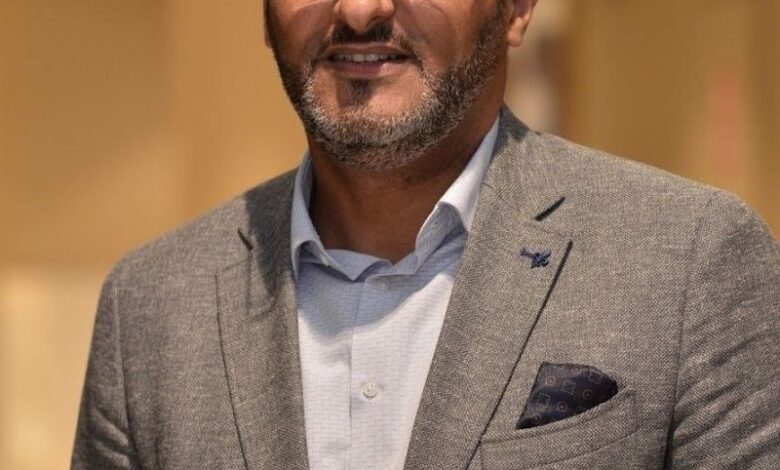
According to Amine Sekhri, president of LEMM (Les Entreprises du Médicament au Maroc), this moment is a historic chance: “This dynamic opens interesting prospects that Morocco can transform into lasting advantages for its pharmaceutical sector. Due to its stability, solid infrastructure, and the Royal Vision concerning health sovereignty, Morocco is ideally positioned to become a regional pharmaceutical hub.”
In an interview with the newspaper Le Matin, Sekhri stated that the current global transformations enable unprecedented opportunities in production, investment, and innovation. “Multinational companies present in Morocco, united within LEMM, have a global footprint and can connect the Kingdom to international value chains, thereby reinforcing its position as a reference point in the Euro-Mediterranean and African arenas,” he added.
### Attracting Investments: A Necessary Strategic Framework
When asked about expectations for attracting new investments, Amine Sekhri emphasized the importance of high-level strategic dialogue with authorities and stakeholders: “Our priority is to co-create a shared vision and establish an incentivizing, stable, and predictable framework. This will enhance Morocco’s attractiveness while ensuring a balanced pricing policy and clear recognition of innovation and R&D.”
He also highlighted the role of Moroccan subsidiaries of multinational companies, which represent more than half of the national market: “These companies seek to move beyond a transactional approach to become long-term partners, fully engaged in national initiatives like healthcare coverage, prevention, and access to innovation.”
In this context, the Mediterranean Pact represents, in his view, “a valuable opportunity to make health a lever for sovereignty, development, and attractiveness.”
### Supporting Transformation: Innovation and Training at the Heart of the Strategy
Regarding the support for sector transformation, Sekhri clarified: “The engagement of Moroccan subsidiaries is constant: knowledge transfer, industrial and non-industrial investments—particularly in R&D—training for healthcare professionals, and initiatives aligned with national priorities.”
He stressed the need to preserve the existing ecosystem and ensure balance among various stakeholders: “It’s crucial not to undermine those already established in order to create a favorable environment for investments and sustainability. Our collective ambition is clear: to make Morocco a leading African and Euro-Mediterranean hub, recognized for its attractiveness, innovation, and health sovereignty.”
### Morocco: An Emerging Regional Leader
Sekhri concluded by asserting that if Morocco continues on this path, it has all the assets to solidify its role as a regional leader: stability, robust infrastructure, strategic vision, and the commitment of both private and public actors. Thus, the Kingdom could transform international challenges into sustainable opportunities and establish its place as a reference in the African and Euro-Mediterranean pharmaceutical industry.