
Morocco–South Korea: Seoul Pushes for a Comprehensive Economic Agreement with Rabat
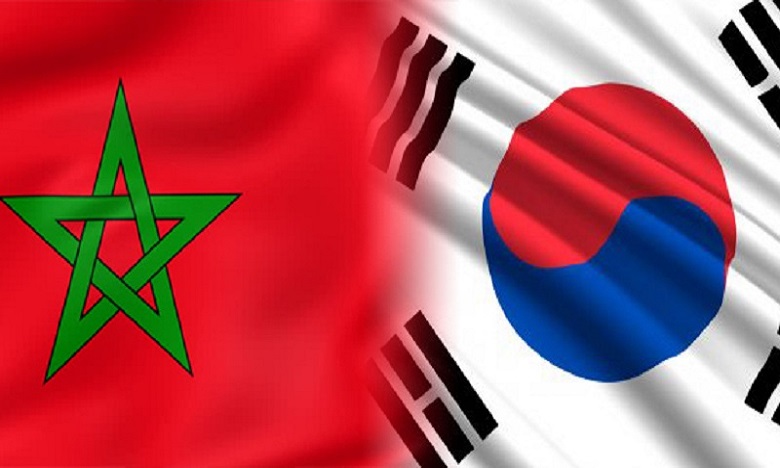
South Korea aims to accelerate the conclusion of a comprehensive economic agreement with Morocco, known as the CEPA (Comprehensive Economic Partnership Agreement). This initiative seeks to deepen trade and industrial relations between the two countries and to broaden their economic cooperation in several strategic sectors.
According to reports, this agreement is expected to go beyond simple trade exchanges to also encompass investments and joint industrial projects.
Engaged Discussions Between Rabat and Seoul
Korean authorities have recently engaged with their Moroccan counterparts to explore the contours of this future partnership. Discussions are focused on establishing a broader framework that facilitates the exchange of goods and services as well as bilateral investment.
Such an agreement is generally designed to enhance economic integration between two countries and create new opportunities for businesses on both sides.
Morocco: A Strategic Platform for Korean Businesses
Korea views Morocco as a strategic industrial and commercial platform, particularly due to its geographical location between Europe, Africa, and the Middle East.
Several Korean companies are already active in Morocco, especially in the rail and battery sectors—key industries in the new global economy. The Kingdom is perceived as a foothold for the expansion of Korean groups into African markets.
An Agreement to Support Major Industrial Transformations
The eventual CEPA between Morocco and Korea is set against a global backdrop marked by the reconfiguration of value chains and the rise of sectors related to technology, transportation, and energy.
For Seoul, this agreement would diversify its export markets and secure new investment opportunities. For Morocco, it would reinforce the strategy of diversifying its economic partnerships beyond its traditional allies.
A Growing Bilateral Dynamic
Economic relations between Morocco and Korea have been experiencing increasing dynamics for several years, supported by industrial investments and structural projects.
The prospect of a comprehensive economic agreement would further consolidate this cooperation and offer a more stable and ambitious framework for future exchanges between the two countries.