
Alert in the Moroccan Sahara: Locust Plague Epidemic
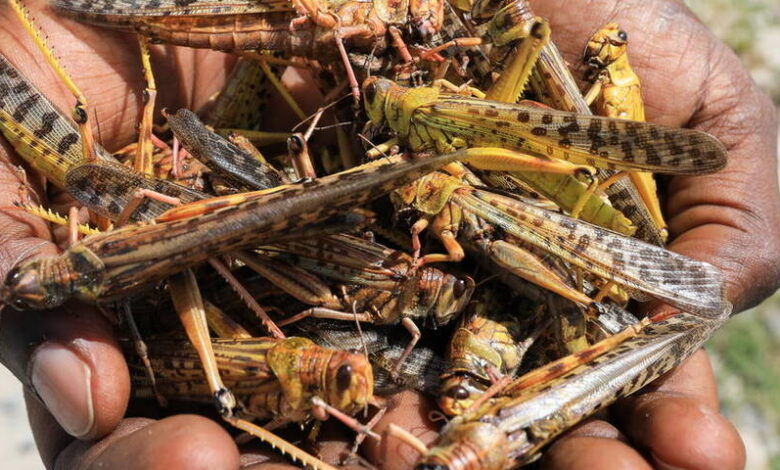
The locust plague continues to pose a serious threat to the Moroccan Sahara. According to the Food and Agriculture Organization (FAO), numerous groups of immature adult locusts and swarms of larvae are progressing northward, necessitating increased surveillance and control operations to protect local crops. If this situation is not quickly addressed, it could lead to the formation of swarms capable of devastating the agricultural areas of the region.
As of November 2025, the situation in the Moroccan Sahara indicates that some mature adults are still reproducing, while groups of larvae are appearing primarily during the second decade of the month. Some larvae have reached the fourth and fifth stages, indicating rapid progression toward adulthood. Areas already being monitored, especially near Guelmin and Tiznit, have been treated across 4,184 hectares, but certain parts of the territory remain unmonitored and could still harbor small immature swarms.
This vulnerability of the Moroccan Sahara is particularly attributed to winter rains that promote the maturation and reproduction of adult locusts. These climatic conditions can accelerate the development of new swarms that are capable of moving into additional agricultural zones. The combination of these factors underscores the importance of maintaining preventive control operations and constant monitoring throughout the region.
Forecasts indicate that the northward migration of locusts is expected to continue in the Moroccan Sahara, with a high risk of swarm formation in the coming weeks. Local authorities and farmers are urged to remain vigilant, report any suspicious groups, and implement targeted control measures to curb the spread. This coordination is essential to limit the economic and ecological impact of the outbreak.