COP15 Ramsar: Morocco Reaffirms Commitment to Wetlands and Thwarts Algeria’s Attempt to Politicize the Convention
The 15th session of the Conference of the Parties (COP15) to the Ramsar Convention on Wetlands took place at Victoria Falls, Zimbabwe, from July 23 to July 31, 2025. This significant international event brought together representatives from over 170 contracting parties, aiming to enhance governance and protection of wetlands on a global scale.
At the conclusion of this conference, Morocco stood out with its active participation and notable contributions, reaffirming its ongoing commitment to the conservation of wetlands and biodiversity. Among the major advancements from this COP was the adoption of the Ramsar Strategic Plan 2025-2034, a framework aligned with the goals of the Global Biodiversity Framework. This new plan sets forth an ambitious vision for the preservation and sustainable use of wetlands, facing increasing pressures such as climate change, pollution, and urbanization.
In a context where some states have attempted to politicize the scientific and environmental purpose of the Convention, Morocco successfully defended the fundamental principles of Ramsar with rigor and responsibility. The Kingdom firmly rejected a resolution proposed by Algeria that aimed to challenge the territorial integrity of Morocco by suggesting the delisting of Ramsar sites located in its Southern provinces, including Oued Assaquia Al Hamra (Laâyoune), the Aftissate Coast (Boujdour), Dakhla Bay, and Sebkhat Imlili (Oued Eddahab).
Thanks to effective diplomatic mobilization and massive support from the contracting parties, this political maneuver was manifestly unsuccessful: the resolution was officially withdrawn. The international community overwhelmingly backed Morocco’s position, reiterating the necessity of preserving the neutrality of the Ramsar Convention and opposing any attempts to politicize its work. This episode reinforces the credibility of the Kingdom as a responsible and committed player in environmental issues.
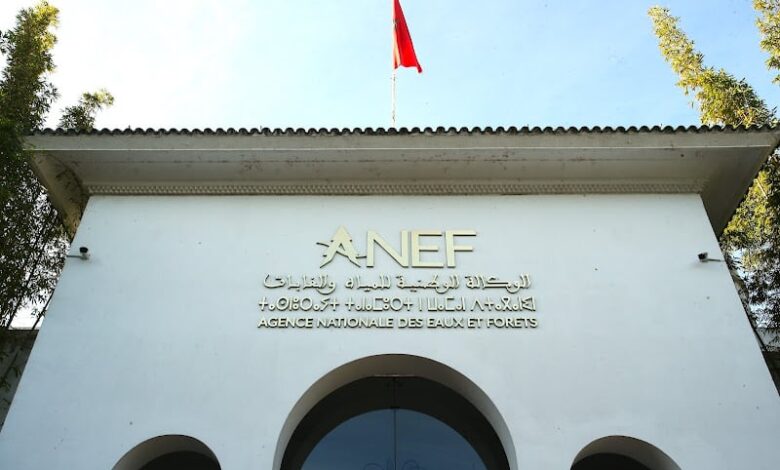
The National Agency for Water and Forests, as the national focal point of the Convention, highlighted several emblematic initiatives during this session. It leads the implementation of integrated action plans for wetlands, based on an inclusive approach that involves public institutions, local authorities, researchers, civil society, local communities, and the private sector. This participatory governance aims to ensure sustainable, coherent, and concerted management of Moroccan wetlands.
Among the strategic levers, the Morocco Forest Strategy 2020-2030, launched by His Majesty King Mohammed VI may God assist him, places particular emphasis on the preservation of these fragile environments, as vectors of ecological regulation, climate resilience, and sustainable development.
Moreover, Morocco continues to strengthen its network of Ramsar sites. To date, 38 sites of international importance are scattered throughout the Kingdom, from the Strait of Gibraltar to the Saharan regions, featuring ecosystems recognized for their biological richness and significance in international migratory routes.
In this dynamic, the city of Mehdya was officially designated as the second Ramsar city of Morocco, following Ifrane, illustrating the Kingdom’s commitment to linking wetland conservation issues with urban and territorial realities.
Finally, COP15 was highlighted by the election of Morocco to the Standing Committee of the Ramsar Convention for the 2025-2028 period, representing the North African sub-region. This nomination crowns the ongoing efforts of the Kingdom in environmental governance, international cooperation, and green diplomacy.
Through these commitments and responsible posture, Morocco solidifies its regional leadership and confirms that the protection of wetlands is a strategic pillar of its sustainable development model.