
High Cost of Living: UMT Advocates for Fiscal Shock and Price Regulation
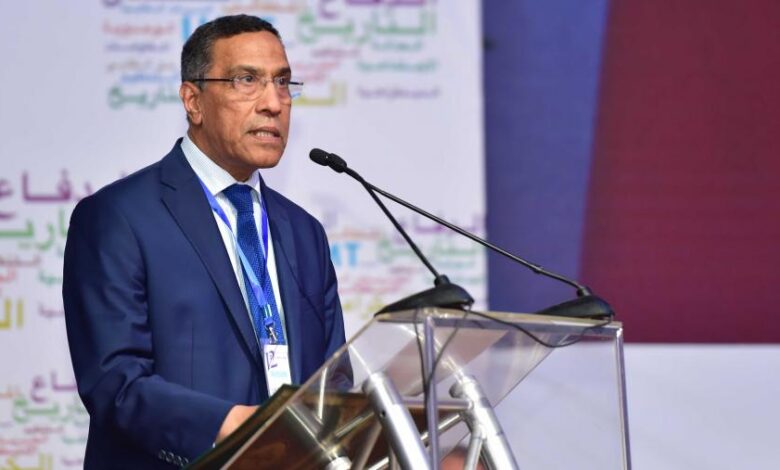
In the face of persistent inflation, the Moroccan Labor Union (UMT) is calling for a shift in public policy. According to the union, current responses are insufficient given the continuous erosion of purchasing power, urging the activation of more incisive fiscal and regulatory measures.
A Plea for Swift State Intervention
In its proposals, the UMT emphasizes the adoption of a revised finance law, which it views as a key tool to adjust economic policy to the current situation. The aim is to create budgetary leeway to alleviate pressure on households, particularly through a targeted reduction in VAT on essential goods. The union also advocates for a decrease in the domestic consumption tax (TIC), asserting that indirect taxation significantly contributes to rising prices.
Fuels: A Market Under Scrutiny
Another central issue is fuel prices. The UMT is calling for stricter price regulation, including the establishment of price ceilings and limiting profit margins. Such measures aim to contain the effects of international volatility on transport costs and, consequently, on overall prices. The union also stresses the need to strengthen the fight against speculation by further mobilizing regulatory institutions and imposing stricter penalties.
Towards a More Redistributive Tax System
Beyond immediate measures, the UMT suggests a deeper reform of the tax system. The introduction of a wealth tax is among the proposals aimed at rebalancing and fostering solidarity. For the union, the current situation highlights the limitations of the existing model, which is deemed insufficiently protective against economic shocks.
The Test of Social Dialogue
The anticipated resumption of social dialogue in April is seen as crucial. The UMT will bring broad demands, including wage increases, pension adjustments, hikes in the minimum wage (SMIG) and agricultural minimum wage (SMAG), as well as continued tax relief on incomes. Beyond the figures, the credibility of dialogue between the government and social partners is at stake. In a socially tense climate, the ability to produce concrete measures will be closely monitored.
A Lasting Social Pressure
Against this backdrop, union mobilization reflects a persistent concern over deteriorating living conditions. Confronted with budgetary constraints and social expectations, the executive faces a delicate balance. In this context, the question is no longer solely economic but also social and political: how to contain the high cost of living without undermining the country’s financial stability?