
Recent Rains Revitalize Agricultural Sectors in Essaouira Province
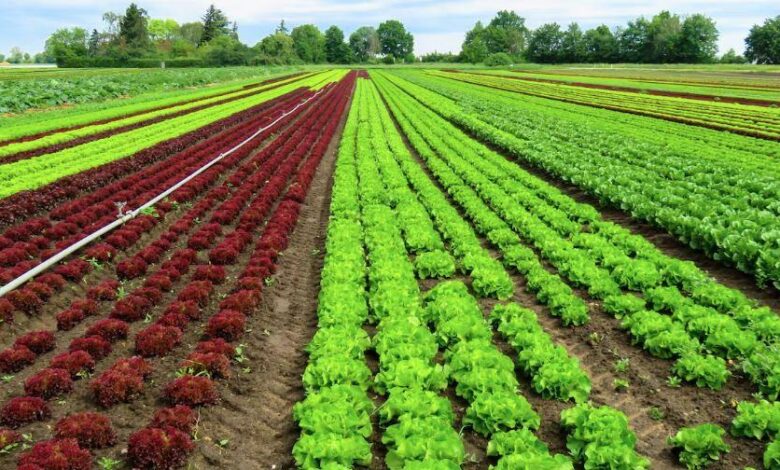
After Seven Years of Drought, Essaouira Province Sees Significant Agricultural Improvement
The province of Essaouira has witnessed a marked enhancement in its agricultural situation following seven consecutive years of drought. Recent heavy rainfall has breathed new life into all sectors, restoring confidence among farmers and livestock breeders.
Reviving the 2025-2026 Agricultural Campaign
The 2025-2026 agricultural season, which initially suffered from a delay in rainfall, turned around at the end of November when exceptional precipitation reached 250 mm. This not only improved soil moisture but also replenished water reserves significantly.
Thanks to these favorable conditions, over 160,000 hectares of cool-season crops have been sown, surpassing initial goals and reflecting a heightened mobilization among farmers in response to the promising prospects of this campaign.
Visible Impact on the Ground
In the municipality of Meskala, the agricultural heart of the province, the effects of the rain are evident: verdant fields and a general resurgence of agricultural activities illustrate the gradual return of favorable conditions after several seasons characterized by water stress.
Support from Authorities and Strengthening of Sectors
According to Lobna Bousso, the interim provincial director of agriculture, these rains have positively impacted all agricultural indicators. The provincial directorate has bolstered this momentum by providing improved seeds, subsidized fertilizers, promoting direct sowing practices, and offering technical support to farms.
The livestock sector has also benefited from these conditions, experiencing a revival of natural vegetation and improved pastures, which has reduced the need for purchasing feed and lowered production costs.
Promising Vegetable and Iconic Tree Sectors
The vegetable sector presents promising prospects, with nearly 6,000 hectares dedicated to the cultivation of vegetables such as tomatoes, onions, peppers, carrots, and turnips, potentially meeting local demand, especially with Ramadan approaching.
The argan tree, a cornerstone of the region’s socio-economic landscape, is also revitalizing after seven years of drought. Preparations for the forest protection cycle (Agdal) are underway, scheduled between May and June for the September harvest. With over 136,000 hectares of forests, production is estimated at 2,000 tons of argan oil, accounting for about 25% of national production.
The olive sector is similarly benefiting from favorable conditions, with good flowering and fruiting expected, promising a fruitful season in both quantity and quality.
Water Resources and Farmers’ Outlook
The improvement in rainfall has also recharged groundwater levels, enhancing water availability for irrigation, particularly for irrigated crops and drip systems.
Farmers surveyed expressed strong optimism. Nour Eddine Lachhab stated, “The condition of the crops is excellent thanks to the abundant rains. We have been able to provide the necessary fertilizers and prepare for spring planting in a reassuring environment.” Ahmed Boumaïz noted that wheat production has reached 40 quintals per hectare, a yield unimaginable in recent years.
For his part, Abdellah Rachid described the season as “exceptional” for both agriculture and livestock, highlighting the high availability of olives with approximately 20 liters of olive oil produced from every 100 kg of olives, resulting in a significant decrease in local prices.
A General Revival of the Sector
Thus, recent rains have revitalized various agricultural sectors in Essaouira province by improving production conditions, reducing costs, and strengthening food security. Agricultural services remain engaged in enhancing these gains and continuing efforts to bolster the sector’s resilience against climate change.