World Cup 2030: Morocco Attracts French Companies to Major Projects
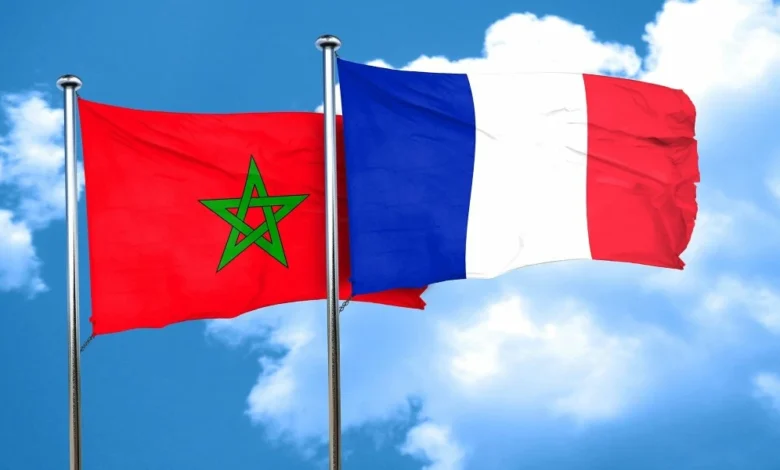
As the 2030 World Cup approaches, preparations are accelerating, paving the way for a wide array of opportunities. Infrastructure, transport, tourism, and digital services: the needs are varied and attract increasing interest from international partners. Among them, France is clearly showcasing its ambitions, bolstered by strong historical ties with Morocco.
A Structured Cooperation Between Rabat and Paris
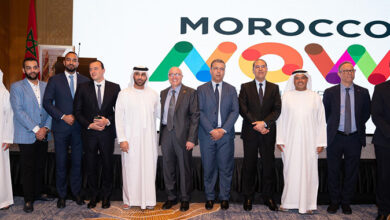
Gathered in Salé as part of a Morocco-France Task Force initiated by the Morocco 2030 Foundation, public officials and economic stakeholders expressed their desire to strengthen collaboration. The objective is clear: to coordinate expertise and build concrete partnerships to support the numerous projects linked to the event.
The World Cup as a Catalyst for Transformation
For Moroccan authorities, the forthcoming event extends far beyond the sports realm. It is part of a long-term strategy aimed at modernizing infrastructure and enhancing the Kingdom’s attractiveness. The project is therefore presented as a development lever capable of galvanizing a new economic dynamic.
Highlighting French Expertise
From the French perspective, the interest is evident. Companies intend to leverage their expertise in organizing major international events. Mobility, ticketing, logistics, accommodation: these are all areas where French know-how is recognized and well-positioned to meet the demands of the 2030 World Cup.
High Technical and Environmental Standards
Discussions have also highlighted key priorities, notably accessibility and innovation. The inclusion of all audiences, including people with disabilities, is a major concern. Furthermore, environmental considerations have now become an essential criterion, with particular emphasis on reducing carbon footprints.
An Organizational Framework Underway
To realize this cooperation, several initiatives are already underway. Thematic workshops are set to be launched to coordinate actions on key areas: stadiums, transportation, accommodation, and technology. The goal is to efficiently structure the contributions from all parties involved.
Economic Impact Expected Beyond the Event
Beyond the competition, the 2030 World Cup is viewed as a catalyst for economic transformation. It is expected to generate significant investments, stimulate local businesses, and reinforce Morocco’s position as a regional hub, particularly towards Africa.
A Human and Generational Dimension
Finally, this cooperation extends beyond economic concerns. It also embodies a dynamic rapprochement between the two countries, particularly through sports. Youth emerges as a central beneficiary of this momentum, fostering a sense of transmission and long-term development.