Crisis in Morocco’s Poultry Sector: Chicken Producers Warn of Price Decline and Market Imbalances
Chicken Farming Sector Faces Significant Challenges in Morocco
The chicken farming industry in Morocco is currently undergoing a period of considerable distress. The National Federation of Chicken Farmers (ANPC) has raised alarms about a troubling situation characterized by overproduction and a significant drop in prices, resulting in substantial losses for many professionals, especially small and medium-sized producers.
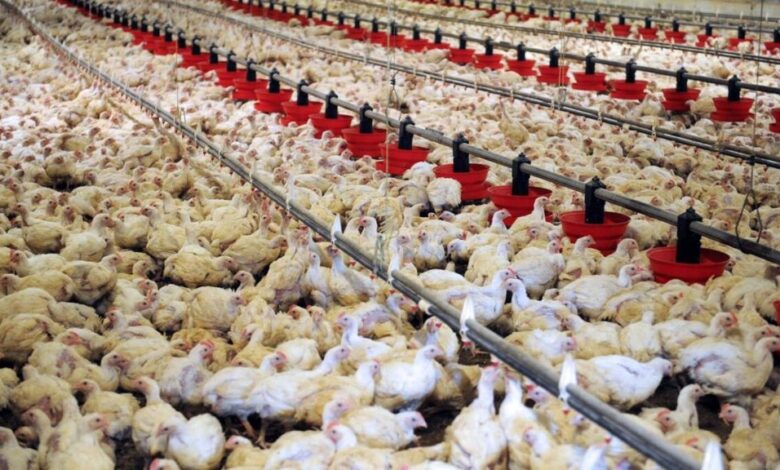
According to the association, the market is presently unbalanced due to an excess supply that it describes as structural and poorly managed. It states that the usual domestic market needs are estimated at around 9 million chicks per week, while over 15 million are being circulated weekly. This imbalance, they argue, has put excessive pressure on prices, driving them below production costs.
In light of this decline, many farmers find themselves in financial difficulty, compelled to reduce their activities or even exit the sector amidst mounting debts and severely compressed profit margins.
The ANPC also criticizes the management of the sector and questions the role of the professional federation, accusing it of failing to accurately reflect on-the-ground realities. It believes that some official explanations, including those citing a decrease in demand during festive periods, do not adequately address the deep structural causes of the crisis.
Furthermore, the association highlights a “program contract” for the sector, which it considers insufficiently representative and has contributed to the concentration of economic power among a limited number of players, to the detriment of small producers.
The ANPC additionally condemns the lack of equitable representation for farmers in decision-making processes, arguing that this has led to policies that are disconnected from the realities faced by producers and their needs.
In this context, the ANPC is calling for the initiation of an independent and comprehensive investigation into the workings of the sector, including chick production, distribution, and governance mechanisms, to identify the parties responsible for the current imbalances.
Finally, it is urging an urgent intervention from public authorities to stabilize the market, limit producers’ losses, and initiate a profound restructuring of the sector based on transparency, regulation, and better inclusion of small and medium-sized farmers in decision-making processes.