
Desalination of Water: Morocco Launches a Partnership to Structure an Industrial Sector
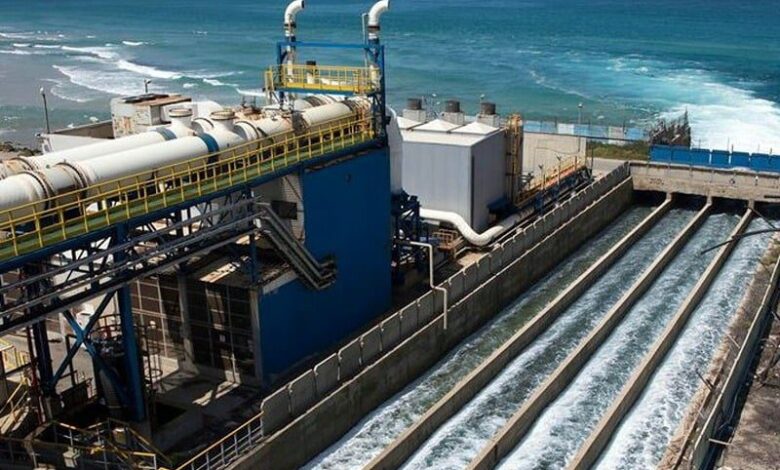
Morocco Advances Water Strategy with Desalination Framework Agreement
Morocco has taken a significant step in its water strategy with the signing of a framework agreement in Rabat. This initiative aims to establish an industrial ecosystem dedicated to water desalination, addressing the increasing demand for both drinking and industrial water.
Joint Mobilization of Public and Private Sectors
The agreement was signed by Nizar Baraka, the Minister of Equipment and Water, and Ryad Mezzour, the Minister of Industry and Trade, alongside Amine Mohamed, President of the Moroccan Water Industries Cluster. This collaboration is part of a broader effort to accelerate structural investments and ensure the country’s water security.
Strengthening Resilience Against Water Stress
According to Nizar Baraka, this partnership will bolster Morocco’s resilience to water stress, particularly through diversifying supply sources and developing innovative solutions tailored to the national context, while enhancing proficiency in desalination technologies.
Towards an Integrated and Competitive Industry
Ryad Mezzour noted that the current local integration rate in this industry ranges between 30% and 35%, with a goal of reaching 70% in the long run. He emphasized that Morocco possesses the necessary expertise to develop a competitive sector capable of meeting both national and international demands.
A Structuring Role for the Water Cluster
The President of the Moroccan Water Industries Cluster described this initiative as historic, highlighting its role in structuring the value chain, mobilizing businesses, and developing equipment essential to the water sector.
Innovation, Training, and “Made in Morocco” at the Heart of the Project
The agreement supports industrial and technological projects related to desalination, promotes the “Made in Morocco” initiative, and aims to enhance applied research, innovation, and technology transfer. It also seeks to develop skills and align training programs with the sector’s needs.