
Light Pollution: Earth Has Become 16% Brighter in Eight Years, According to a Study
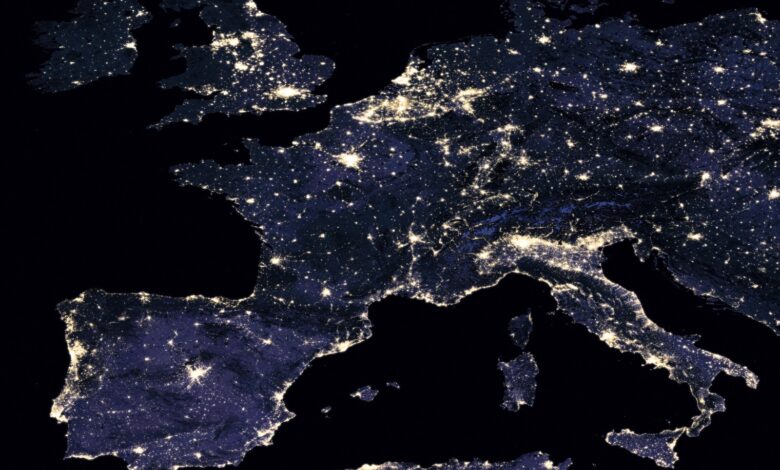
The Earth’s Nighttime Glow: A Growing Concern
The planet is increasingly illuminated at night. According to a scientific study published in the journal Nature and reported by Science & Vie, Earth’s artificial brightness has increased by 16% between 2014 and 2022, primarily due to the widespread adoption of LED lighting and the proliferation of light sources in urban areas.
Observations made from satellite images show that cities now display a bluish-white light, gradually replacing the characteristic orange halos of older sodium lamps. While this transition reduces energy consumption, it also leads to a rise in light pollution.
LEDs: More Efficient, Yet More Abundant
With their low energy consumption and long lifespan, LEDs have become the standard for public lighting worldwide. However, their reduced costs have led many municipalities to install more light points or increase their intensity, partly explaining the increase in brightness observed from space.
Furthermore, researchers believe that the reported 16% increase might be underestimated, as current satellites are less effective at detecting the blue light that dominates LED lighting.
Impacts on Biodiversity and Human Health
The increase in light pollution raises several environmental concerns. Excessive exposure to artificial light at night disrupts the biological rhythms of many animal species, including migratory birds, nocturnal insects, and bats.
For humans, this nighttime light can also affect melatonin production, the hormone that regulates sleep, potentially impacting sleep quality and long-term health.
Towards Smarter Lighting Solutions
In light of these challenges, several cities are experimenting with more responsible lighting solutions. New generations of connected streetlights allow for automatic adjustments of light intensity based on traffic, time of day, or road conditions.
Researchers estimate that these technologies, combined with public policies aimed at reducing light pollution, could help balance energy efficiency, public space safety, and the preservation of nocturnal ecosystems.