Desalination of Water: Morocco Accelerates with 4 Ongoing Projects and 11 Scheduled Initiatives
Morocco Strengthens Its Water Strategy with Major Desalination Initiatives
Morocco is advancing its water strategy through an extensive seawater desalination program aimed at securing drinking water supplies and supporting agricultural and industrial needs in the face of climate challenges.
A Growing Capacity
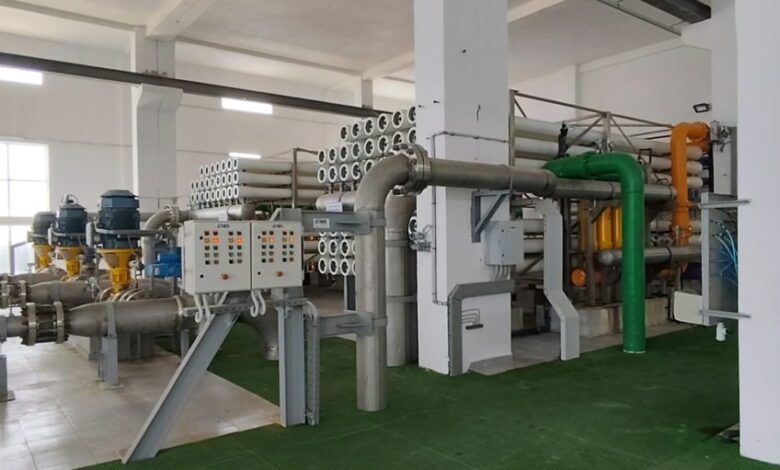
According to the Ministry of Equipment and Water, the country currently operates 17 desalination stations with a cumulative annual capacity of approximately 410 million cubic meters. This infrastructure serves as the foundation for a rapidly expanding system.
Four Major Projects Underway
At present, four significant projects are being implemented, which are expected to add around 447 million cubic meters annually.
Among these is the Casablanca desalination plant, with a planned capacity of 300 million cubic meters dedicated to drinking water and irrigation. In Dakhla, a new station will produce 37 million cubic meters for domestic and agricultural use, enhancing supply for the southern provinces.
The expansions at the Jorf Lasfar and Safi stations will also bolster existing capacities by catering to both industrial needs and drinking water supply.
11 Projects Planned for an Expanded National Network
In parallel, 11 new projects are scheduled across the Kingdom, including several expansions. The Souss-Massa facility is expected to reach an output of 350 million cubic meters annually, making it the largest desalination unit in the country.
Rabat and the Oriental region will also be involved, with projected capacities of 300 million cubic meters each. Additional projects will affect Tangier, Guelmim, Tan-Tan, Tarfaya, Boujdour, El Jadida, and Essaouira, encompassing mixed uses ranging from drinking water to irrigation and industry.
A Strategy for Water Security
Through these investments, the national capacity for desalinated water is projected to exceed 1 billion cubic meters per year by 2027, reaching 1.6 billion by 2028 and over 1.7 billion by 2030.
This ambitious program underscores Morocco’s strategic decision to diversify its water resources and reduce its reliance on rainfall in a context of increasing water stress.