CCBC: Benali Highlights an African Vision Based on Solidarity and the Initiative of His Majesty the King in Nairobi
Ministerial Meeting Highlights: Preparing for Key Dates in Congo Basin Development
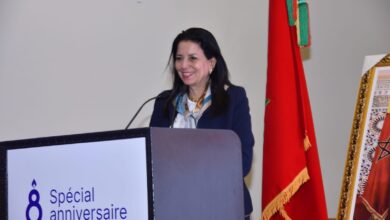
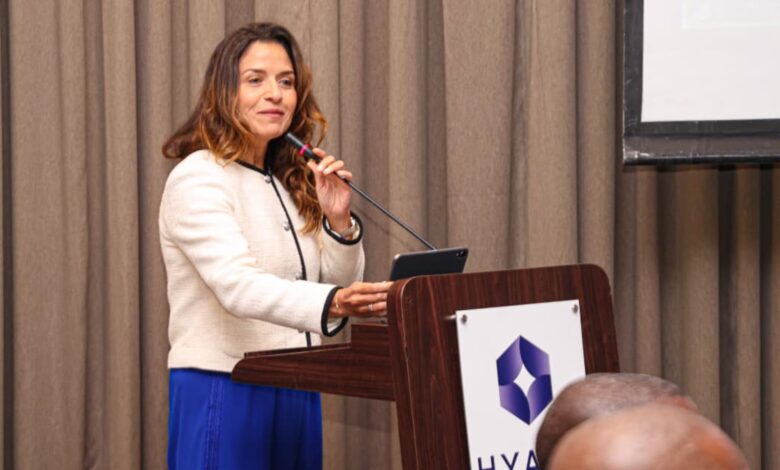
During the ministerial meeting of the Congo Basin Climate Commission (CCBC), Minister Benali emphasized that this gathering is part of the preparations for two significant upcoming events: the summit of heads of state and government scheduled for May 12 in Nairobi, and the donor roundtable set for May 26 in Brazzaville, which focuses on financing the investment plan of the Blue Fund for the Congo Basin.
She pointed out that the progress made in recent months—particularly in structuring a portfolio of priority projects aligned with national development plans, strengthening governance frameworks, and the increasing engagement of technical and financial partners—demonstrates a credible momentum with the potential for meaningful impact.
Minister Benali reminded attendees that the success of this initiative relies on the collective ability to transition from commitments and strategies to actual investment implementation, highlighting the need for a cohesive, ambitious, and shared vision.
Additionally, she noted that the year 2026 holds special significance, marking the tenth anniversary of the Congo Basin Climate Commission and the first anniversary of the Marrakech Declaration/ESG Framework for Mining, developed in collaboration with African ministers of mining to promote a sustainable mining sector defined by African standards.
In this context, she cited the Blue Fund for the Congo Basin as an example of the continent’s ability to create financial instruments that cater to its realities and development priorities, noting that it represents a new generation of African mechanisms focused on the sustainable valuation of natural capital and high-impact investments.
She further highlighted the ongoing transformative dynamics across the continent, characterized by the development of national carbon strategies, the integration of mechanisms from Article 6 of the Paris Agreement, and the rise of regional initiatives.
Minister Benali conveyed that this evolution reflects a strong commitment to enhancing the continent’s sovereignty over its natural capital, clarifying that the carbon market should not only be seen as a financial tool but also as a lever for climate justice that ensures tangible benefits for local communities.
Moreover, she indicated that Morocco has opted for an integrated and innovative approach, raising the ambition of its Nationally Determined Contribution (NDC 3.0) to 53% by 2035 through a portfolio of 90 projects, while also bolstering its resilience and adaptation through 107 projects across ten sectors.
She explained that Morocco’s experience with NDC 3.0 is based on a results-oriented approach that combines climate ambition, economic efficiency, and social co-benefits, using tools such as internal rate of return and average sectoral abatement costs to optimize climate investments.
Minister Benali added that NDC 3.0 clearly reflects a desire to convert climate commitments into genuine development levers, thanks to a territorialized approach that ensures an equitable distribution of investments tailored to the unique needs and priorities of each region.
The minister also reminded attendees that this strategy is embedded in the national sustainable development strategy and aligned with the Sustainable Development Goals (SDGs), supported by the Climate Finance Development Strategy through 2030, which recognizes the crucial role of the private sector.
In this context, she reported on significant efforts made to integrate climate issues into public finances, including aligning NDC 3.0 projects with the three-year budget programming, developing a climate expenditure tagging and tracking system, and establishing a green taxonomy and green bonds for financing public investment.
Furthermore, Minister Benali underscored that Morocco’s climate actions are framed within the context of advanced regionalization, in line with the priorities set by regional development plans.
To this end, the Kingdom has implemented several structural tools, including twelve territorial climate plans and six regional adaptation plans, fully integrating climate considerations into territorial planning while leveraging each region’s unique strengths.
Morocco actively participated in this ministerial council focused on the preparations for the donor roundtable scheduled for May 26, 2026, in Brazzaville, Republic of Congo, sending a substantial delegation led by Minister Benali, which included Rachid Tahiri, the Director of Climate and Biological Diversity, and Ismail Chekkori, the Director of Global Affairs at the Ministry of Foreign Affairs, African Cooperation, and Moroccans Abroad, along with other officials.
This meeting is part of the ongoing regional process aimed at mobilizing funding for the investment plan of priority projects within the Blue Fund for the Congo Basin, the financial tool of the Congo Basin Climate Commission.