Morocco Considers a Free Trade Agreement with China Despite Concerns Over Trade Deficit
Morocco Considers Chinese Free Trade Agreement
Morocco is currently evaluating a Chinese proposal to establish a free trade agreement between the two nations. While this initiative could open up new avenues for Moroccan exporters and enhance access to the vast Chinese market, it also raises concerns about its impact on Morocco’s already significant trade deficit with Beijing.
Ryad Mezzour, the Minister of Industry and Commerce, has stated that the project is still under review. He mentioned that no official negotiations have commenced at this stage, as Moroccan authorities are assessing the potential economic implications of such an agreement.
Diversifying Moroccan Export Markets
For Morocco, a free trade agreement with China would be a strategic opportunity to diversify its export markets and reduce dependence on Europe, the country’s primary trading partner.
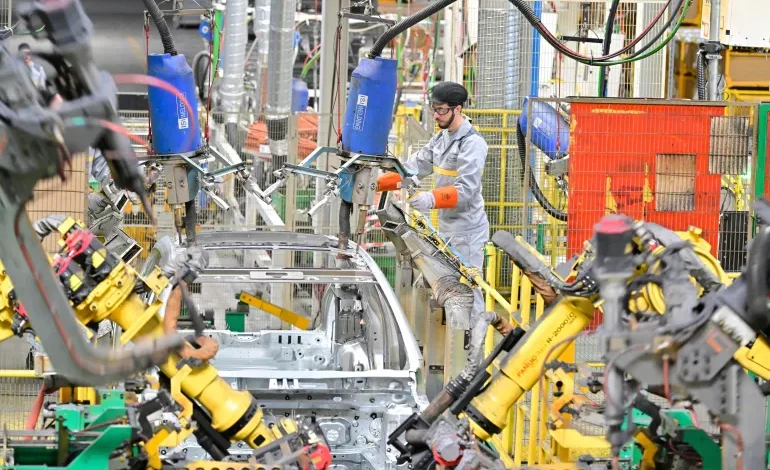
Moroccan industrial sectors—including automotive, aerospace, and battery-related industries—could greatly benefit from expanded access to the Chinese market, one of the largest in the world. Nevertheless, Moroccan authorities emphasize the need for thorough consultations with business operators and to evaluate how this future agreement would align with Morocco’s existing trade commitments.
Expanding Economic Relations
In recent years, trade between Morocco and China has seen substantial growth. According to figures released by the Chinese authorities, bilateral trade surpassed $10 billion in 2025, reaching historic highs.
China has emerged as Morocco’s leading Asian partner, with trade between the two nations increasing by 18.4% in 2024, amounting to nearly 94 billion dirhams—marking the thirteenth consecutive year of growth.
The Trade Deficit Sparks Debate
Despite this positive trend, trade remains heavily skewed in favor of China. Morocco’s trade deficit with Beijing hit 86.3 billion dirhams in 2024, compared to 72.5 billion dirhams the previous year.
This situation is primarily driven by the sharp increase in Chinese imports, while Moroccan exports to China remain relatively limited. In this context, several observers argue that any free trade agreement must incorporate mechanisms to support Moroccan exports to prevent a further widening of the trade deficit.
Chinese Investments Strengthen Presence in Morocco
Alongside the growth in trade, Chinese investments continue to expand in Morocco, particularly in sectors related to energy transition, automotive manufacturing, and battery production.
Chinese companies are involved in several strategic projects, including the Mohammed VI Tanger Tech industrial city, the development of high-speed rail infrastructure, and renewable energy projects. In response to concerns expressed by some European partners, Ryad Mezzour reiterated Morocco’s open policy towards foreign investors, regardless of their country of origin.
A Strategy for Diversifying Economic Partnerships
The discussion around an agreement with China is part of a broader strategy to diversify Morocco’s trade partnerships. The minister also revealed that Morocco is exploring the possibility of a free trade agreement with Chile, an initiative that could facilitate access for Moroccan products to South American markets, particularly those within the Mercosur bloc.
Balancing Growth Opportunities with Trade Stability
For Morocco, the challenge now lies in striking a balance between opening up to new, promising markets and protecting its domestic production fabric.
While an agreement with China could offer significant opportunities for Moroccan businesses, it must also address concerns regarding the competitiveness of local industries and the mitigation of trade imbalances.