
The UN warns about health and environmental risks associated with illegal waste trafficking.
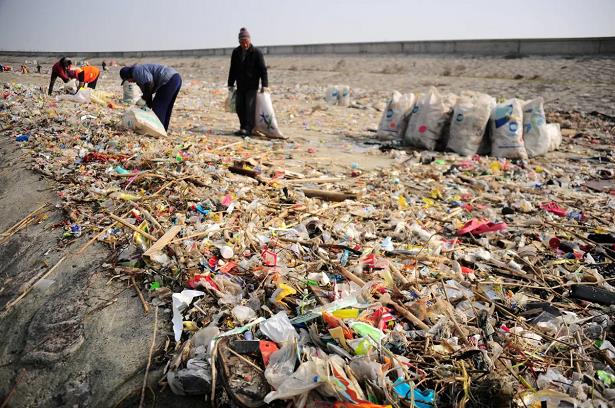
UN Warns of Health and Environmental Risks from Illegal Waste Flows
The United Nations has issued a warning about the health and environmental impacts of illegal flows of electronic, plastic, and metal waste, particularly in low-income countries. This observation is highlighted in a new report published by the United Nations Office on Drugs and Crime (UNODC) entitled “Crimes and Waste Trafficking.” The report identifies five main categories of illegal trade: electrical and electronic waste, plastics, used vehicles and engines, metal waste, and mixed waste.
Legislative Gaps and Ease of Trafficking
The report emphasizes that legislative shortcomings, limited law enforcement capabilities, lack of traceability, and weak penalties facilitate a trade estimated to be worth billions of dollars.
Major Health Consequences
According to Candice Welsh, Director of Policy Analysis and Public Affairs at UNODC: “Waste trafficking remains extremely difficult to detect, investigate, and prosecute, and its consequences for public health are severe, leading to toxic contamination of drinking water, oceans, soils, and other environments.”
Importance of Coordination and Data
She further noted that improving communication and data regarding suspicious routes and vulnerabilities in trafficking chains, as well as standardizing crimes and penalties, is essential for effectively anticipating, preventing, and halting illegal waste flows.
Waste Transfer from Wealthy to Poor Countries
The report states that while illegal disposal, incineration, transportation, and shipping of waste occur worldwide, lower-value waste or waste that is more expensive to process is often exported from high-income regions to low-income countries, thereby exacerbating environmental and health impacts in these areas.