
Strait of Hormuz: Iran Reasserts Strict Control Amid Tensions with Washington
Sure! Here’s the translated article:
—
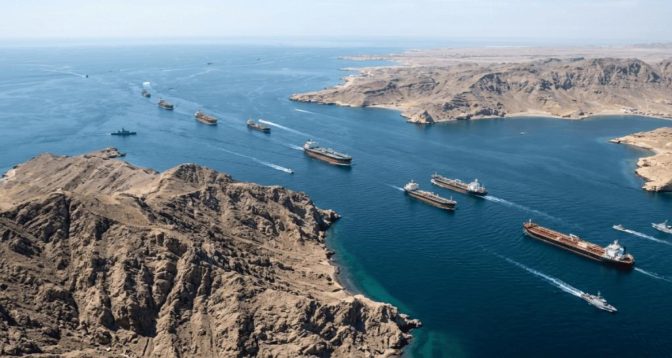
Iran announced on Saturday that it will reinstate strict control over the Strait of Hormuz, reversing its earlier decision to partially reopen this strategic maritime route. This decision comes in direct response to the U.S. blockade of Iranian ports, which continues to heighten tensions between Tehran and Washington. According to the Iranian Armed Forces, Tehran had “good faith” agreed to allow a limited passage of commercial and oil tankers through the Strait of Hormuz. However, the U.S. has allegedly continued actions deemed hostile, described as “acts of piracy.” Consequently, “the situation has reverted to its previous state,” with Iran exercising full control over this key passage.
Severe Disruption of Maritime Traffic in the Strait of Hormuz
Initial data indicates a very limited resumption of maritime traffic in the Strait of Hormuz, with about ten vessels observed, including several oil tankers. However, some ships have turned back, illustrating the persistent uncertainty in the area. A cruise ship, the Celestyal Discovery, successfully passed through the maritime route without passengers, marking a first since hostilities began on February 28. Before this crisis, nearly 120 ships traversed the Strait of Hormuz daily, through which around 20% of the world’s oil is transported, making it a crucial point for international energy trade.
The Iran-U.S. Standoff Persists
U.S. President Donald Trump stated that the American blockade would remain “fully in effect” until a deal with Iran is reached. Should negotiations falter, this measure may be extended. The U.S. Central Command reported that 21 ships have already been forced to turn back since the blockade began. In Iran, some conservative media oppose any de-escalation without solid guarantees. They argue that reopening the Strait of Hormuz without lifting sanctions would weaken Tehran’s strategic position.
Direct Impact on the Global Oil Market
The situation in the Strait of Hormuz has an immediate effect on the markets. The partial resumption of traffic resulted in a drop in oil prices, underscoring the market’s sensitivity to geopolitical changes in this crucial area. Energy stakes remain paramount, as the strait serves as a vital artery for oil and liquefied natural gas transport.
Fragile Diplomatic Efforts
Diplomatically, discussions between Iran and the United States are continuing, albeit with difficulty. Washington mentions a “very close” agreement, particularly regarding enriched uranium, a key point in negotiations. However, Tehran has denied making any concessions concerning its nuclear material stocks. Concurrently, several diplomatic initiatives are underway in the region. Pakistan, in particular, is intensifying efforts to foster dialogue and promote sustainable stability in the Middle East. Despite the failure of talks on April 11 in Islamabad, new meetings could occur in the coming days.
Partial Resumption of Activity in Iran
In an uncertain context, Iran has announced a partial reopening of its airspace as well as several airports, including the major ones in Tehran. These measures reflect a desire to gradually return to normalcy, even amid an ongoing tense geopolitical situation surrounding the Strait of Hormuz.
—
Let me know if you need any further assistance!