
PJD: A First Wave of 40 Candidates Selected for the 2026 Legislative Elections
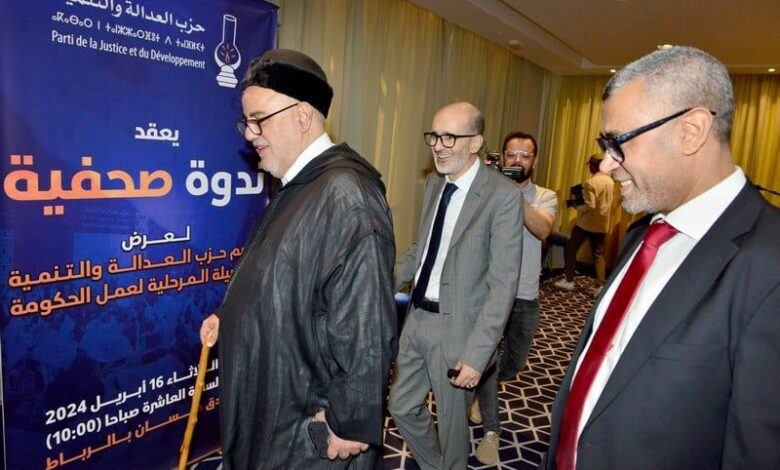
The Justice and Development Party (PJD) is entering a crucial phase of preparation for the legislative elections scheduled for September 23, 2026. On Saturday, April 18, the party’s general secretariat convened under the presidency of Abdelilah Benkirane, establishing an initial series of nominations that cover nearly half of the country’s local constituencies.
After intense deliberations concluded by a secret ballot, 40 candidates received the official endorsement to represent the party in this election. This first round reflects a clear strategy: to prioritize experienced profiles and well-recognized figures within the party.
Among the selected candidates are several prominent officials. Abdellah Bouanou, the current president of the parliamentary group, is running again in Meknès. Driss El Azami El Idrissi, a former minister, has been nominated in the Skhirat-Témara constituency, while Amina Maelainine will carry the party’s colors in Casablanca, specifically in the Aïn Chock area. Preacher Abouzaid El Mokrie El Idrissi is also making a return in El Jadida after boycotting the 2021 elections, and Mustapha Ibrahimi will continue in Kénitra.
In Casablanca, regarded as a stronghold for the party, several candidacies have been confirmed, including those of Abdessamad Haiker in the Anfa constituency and Fatmi Ramid in Al Fida Mers-Sultan.
One of the main surprises in this initial wave of nominations is the appointment of Samir Chaouki in Hay Hassani. A journalist, writer, and founding president of a think tank specializing in economics and geopolitics, his profile illustrates the party’s openness to talent from diverse backgrounds.
In other regions of the country, the PJD is banking on Mohamed Bouzidane in Tanger-Asilah and Abdellah El Hamel in Oujda for the North and the Oriental region. In the South, the candidacies of El Batoul Bladi in Tan-Tan and Ahmed Adrak in Inzegane-Aït Melloul have been approved.
The party emphasizes that these selections arise from a structured internal process: proposals first stem from provincial general assemblies before being subjected to the general secretariat’s review via a secret vote. This mechanism aims to ensure the legitimacy and representativeness of the chosen candidates.
While this initial list provides a glimpse into the PJD’s orientations for the upcoming elections, the nomination process is far from complete. The party still needs to make decisions on 52 additional local constituencies, as well as on 12 regional lists reserved for women’s representation.