Morocco Ensures Its Self-Sufficiency in Poultry Despite Ongoing Challenges
The Role of the Moroccan Poultry Sector in Food Security
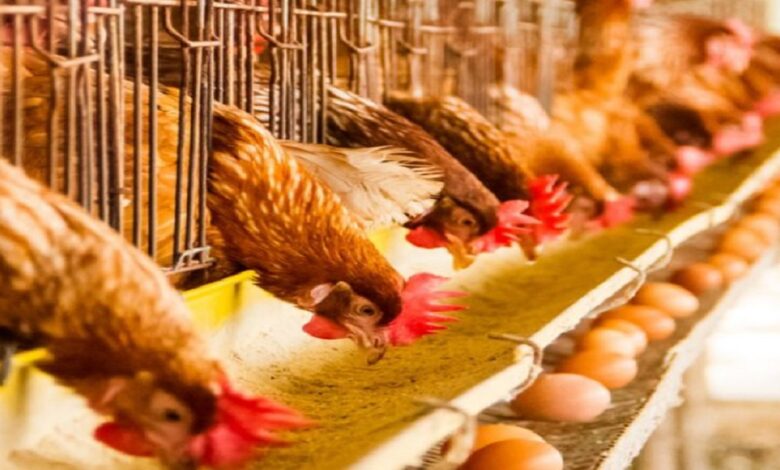
The Moroccan poultry sector confirms its strategic role in the Kingdom’s food security. Through sustained production and ongoing investments, Morocco today meets all of its needs for poultry meat and eggs, establishing itself as a cornerstone of national agriculture.
With an annual production nearing 695,000 tons of poultry meat, including approximately 535,000 tons of chicken and 120,000 tons of turkey, the industry effectively satisfies domestic demand. Additionally, an estimated 5 to 6.5 billion eggs per year are produced, fully covering national consumption.
This achievement is reflected in the dietary habits of Moroccans. The average consumption reaches nearly 20 kg of poultry meat per person per year, alongside around 169 eggs per person, reinforcing poultry’s dominant position as the primary source of animal protein. The sector alone accounts for over 50% of total meat consumption in the country.
Economically, the poultry industry generates an annual revenue exceeding 32 billion dirhams and supports nearly 900,000 direct and indirect jobs, making it a key sector for rural and peri-urban employment. The production framework consists of over 7,000 broiler farms, around 900 turkey production units, and several hundred operations specialized in egg production.
Simultaneously, the compound feed industry for poultry produces more than 3 million tons per year, underpinning the entire production chain. This dynamic has allowed Morocco to achieve a self-sufficiency rate close to 100% for poultry products, significantly limiting the reliance on imports.
However, behind these successes lie several vulnerabilities. The sector remains heavily dependent on imports of raw materials, particularly corn and soy, whose fluctuations in the international market directly impact production costs. Furthermore, a large portion of distribution still slips through informal channels: nearly 90% of chicken is sold through traditional markets, lacking optimal health controls.
In recent years, the sector has also faced episodes of overproduction, leading to a significant drop in production prices and placing many farmers in difficulty. This imbalance between supply and demand highlights the need for better market regulation.
In light of these challenges, industry professionals urge an acceleration of modernization within the sector, particularly through the development of industrial slaughterhouses, strengthening of health controls, and improvement of the distribution chain. The objective is clear: to maintain national self-sufficiency while ensuring quality and price stability for consumers.
Despite these challenges, the Moroccan poultry sector remains a model of success in terms of food sovereignty, illustrating the Kingdom’s ability to effectively meet the growing needs of its population.