Africa: Several Countries Accelerate Transition to Clean Vehicles Despite Structural Challenges
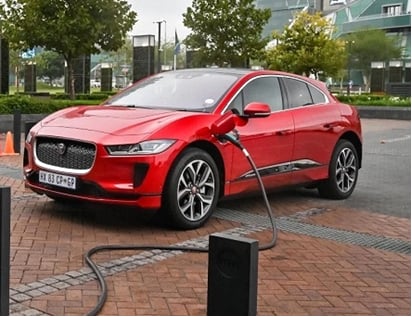
The transition toward clean vehicles is gradually accelerating in several African countries, driven by incentivizing public policies, the emergence of new industrial players, and an increasing desire to reduce dependency on fossil fuels.
However, this evolution remains uneven across the continent, due to challenges related to infrastructure, high acquisition costs, and the fragility of electricity networks.
African Countries Leading in Electric Mobility
Based on various observed trends, countries like Morocco, Kenya, Ethiopia, Rwanda, Egypt, and Nigeria are among the most advanced in electric mobility. These states are implementing multiple measures to encourage the adoption of electric and hybrid vehicles, particularly through tax incentives and industrial investments.
In some cases, more radical strategies are being adopted. For instance, Ethiopia has banned the importation of thermal vehicles to promote the electrification of its automotive fleet, despite significant challenges in recharge infrastructure.
Morocco: A Key Industrial Player
Morocco also stands out as a major automotive hub on the continent. It is currently regarded as the leading producer of electric vehicles in Africa, with production surging and industrial expansion prospects in the coming years.
The Kingdom also aims to strengthen its position in the value chain, particularly in battery production, leveraging its phosphate resources and investing in the automotive industry.
A Momentum Fueled by New Players
The transition to electric mobility is further supported by the emergence of startups and specialized African companies. These businesses are developing solutions tailored to local realities, notably in electric motorcycles, buses, and battery swap systems.
This evolution is also marked by partnerships with international manufacturers, especially from Asia, who are increasingly investing in African markets.
Significant Challenges Still to Overcome
Despite these advancements, several obstacles still hinder the widespread adoption of clean vehicles in Africa:
- The high cost of electric vehicles for households
- The insufficient recharge infrastructure
- The limited reliability of electrical networks in several countries
- Difficult access to automotive financing
These constraints slow down the mass diffusion of electromobility, particularly in rural areas and low-income economies.
A Progressive but Inevitable Transition
Despite these limitations, the outlook remains positive. Several studies estimate that electric vehicles could become increasingly competitive in Africa over the coming decades, mainly due to declining battery costs and the development of solar recharge solutions.
The transition to clean vehicles thus appears as an ongoing structural transformation, poised to reshape the African automotive landscape in the medium and long term.