The European Union Faces an Energy Cost Increase of 35 Billion Euros Due to Tensions in the Middle East
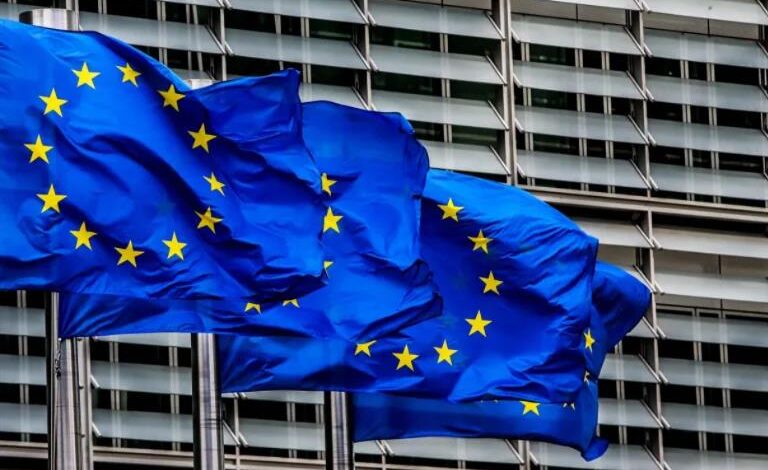
European Energy Commissioner Warns of €35 Billion Cost Due to Middle East Conflict
On Wednesday, May 13, European Energy Commissioner Dan Jørgensen announced that the ongoing conflict in the Middle East has resulted in an additional burden of approximately €35 billion for the European Union in the energy sector, without any extra energy resources being provided.
Speaking after an informal meeting of European energy ministers, Jørgensen assessed that the current situation does not represent a true energy crisis but rather "a crisis linked to dependence on fossil fuels."
Brussels Calls for Accelerated Energy Transition
According to Dan Jørgensen, the recent geopolitical tensions highlight Europe’s energy vulnerability once again and underscore the urgent need to accelerate the shift towards clean and sustainable energy sources.
He also indicated that the upcoming June meeting of the European Union Energy Council will be crucial for advancing the so-called "Energy Package," a set of measures aimed at enhancing the interconnection of European electrical networks and promoting the exchange of clean, affordable, and locally produced energy.
Limited Concerns About Jet Fuel Supply
Regarding jet fuel supply, the European Commissioner stated that no major strains are anticipated in the short term, despite ongoing instability in the Middle East.
However, he did not rule out potential long-term difficulties, contingent on the evolution of the geopolitical situation and market reactions, including those from airlines.
EU Assures Stability of Strategic Reserves
On another note, European Transport Commissioner Apostolos Tzitzikostas assured that there are currently no immediate risks of supply shortages within the European Union.
He clarified that the Union could, if necessary, coordinate the use of its strategic reserves. The European official also emphasized that approximately 70% of the jet fuel consumed in the Union is produced by European refineries, while only around 20% comes from imports from Gulf countries, thereby limiting, for now, the risks of an energy shortage.