In Morocco, banks are evolving… but cash remains firmly entrenched in people’s habits.

The Moroccan Banking Sector: A Significant Transformation
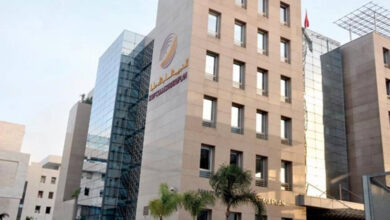
The Moroccan banking sector is currently experiencing a major transformation, characterized by the digitalization of services, a reshaping of the financial landscape, and the repositioning of certain international players.
This transformation is taking place against a backdrop where banks are striving to modernize their offerings, accelerate financial inclusion, and adapt to new consumer habits, particularly through mobile services and electronic payment solutions.
A Restructuring Industry
Alongside this evolution, the Moroccan banking system is facing structural changes, marked by the gradual withdrawal of certain foreign groups and the rising prominence of national players.
This reshuffling is progressively redefining the sector’s landscape while paving the way for new competitive dynamics and a strategic adaptation of financial institutions.
Cash Remains Predominantly Dominant in the Economy
Despite this modernization, the use of cash remains very high in Morocco.
Cash still accounts for a significant share of daily transactions, driven by several structural factors, notably the prevalence of the informal sector and deeply ingrained consumption habits within society.
Digital Transition Still Incomplete
While digital payments are on the rise, their adoption is still gradual and uneven across different population segments and regions.
Banks are investing in digital solutions; however, the transition towards a less cash-dependent economy still requires time, appropriate infrastructure, and a stronger emphasis on financial inclusion.
A Balance Between Modernization and Economic Realities
The challenge for the Moroccan banking sector now lies in finding a balance between technological innovation and socio-economic realities.
The modernization of the financial system is progressing, but it coexists with an economy where cash continues to play a central role, reflecting both structural constraints and household and business usage choices.