Employment in Morocco: An Expanded Unemployment Rate of 22.5% Reignites the Debate on Training and Labor Market Suitability
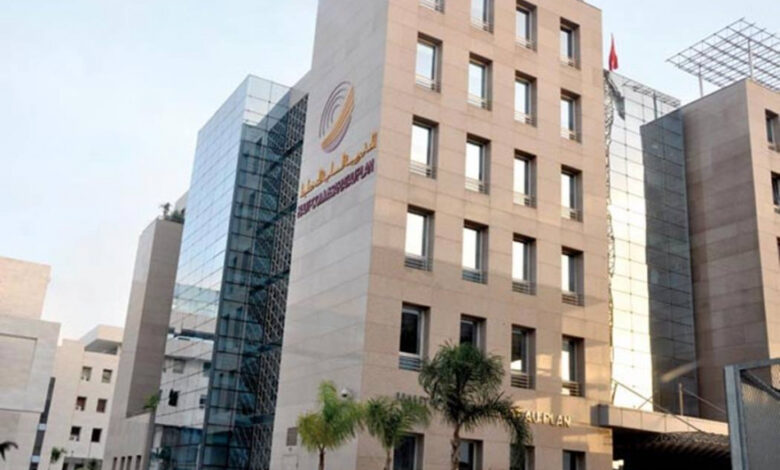
The HCP Introduces a New Perspective on Unemployment with the EMO 2026 Format
The High Commission for Planning (HCP) has recently released the results of its latest employment survey in Morocco, incorporating a new format called EMO 2026, which aligns with the international standards set by the International Labour Organization (ILO).
This new methodology offers a broader view of the labor market, going beyond the traditional “strict” unemployment rate.
According to the published data, the strict unemployment rate stands at 10.8%, while the overall rate, which includes underemployment and the potential workforce marginally linked to the labor market, reaches 22.5% in the first half of 2026.
A Labor Market Marked by Underemployment and Inequalities
This new approach highlights a more complex reality of the employment market, where a significant portion of the working population remains underutilized or insufficiently integrated into the formal economy.
The report also emphasizes significant structural disparities, particularly regarding gender and age.
Women and Young People Particularly Affected
According to the reported figures, only 17.5% of women are employed, illustrating a significant imbalance in the labor market and its socio-economic impacts.
Among youth aged 15 to 24, the unemployment rate reaches 29%, while the number of NEET individuals (Not in Employment, Education, or Training) exceeds 3 million.
These indicators reflect a structural fragility in the integration of youth into the economic fabric.
A Discrepancy Between Education and Market Needs
Beyond the statistics, the analysis highlights a persistent gap between the education system and the actual needs of businesses.
This misalignment affects both technical skills and academic pathways, raising questions about the effectiveness of career guidance and the employability of graduates.
Toward a Reform of Employment and Training Policies
In light of this situation, several reform avenues are suggested to enhance the dynamics of the labor market.
These include tax incentives for corporate investments, aligning training programs with economic needs, strengthening ties between universities and enterprises, and promoting entrepreneurship and freelancing.
Additional measures discussed include the widespread adoption of work-study programs, digitalization in less developed regions, and improved monitoring of training institutions through performance and placement indicators.
A Central Issue for the National Economy
This new perspective on unemployment confirms that employment issues have transcended mere statistical indicators to become a major structural challenge.
It underscores the necessity for a comprehensive approach that combines economic policies, educational reforms, and territorial inclusion to address the challenges of the Moroccan labor market.