Rabat 2030: A Capital in Rapid Transformation Ahead of the World Cup
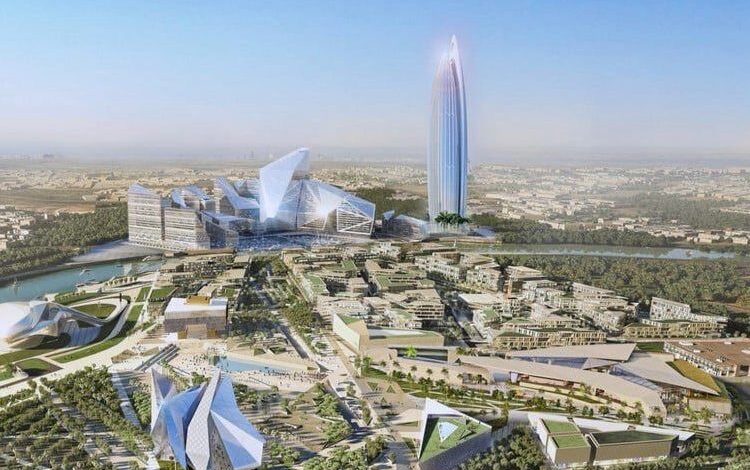
With less than four years remaining until the 2030 World Cup, Morocco’s capital, Rabat, is undergoing profound transformation. The city is not just planning; it’s actively implementing several major projects that are gradually reshaping its urban landscape.
Amid demolitions, ongoing construction sites, and new infrastructures already delivered, Rabat is accelerating its transition into a modern capital aimed at international engagement.
The Royal Theater of Rabat Already Delivered
Among the most iconic achievements is the Royal Theater of Rabat, officially opened to the public on April 22, 2026, under the presidency of Her Royal Highness Princess Lalla Hasnaa.
Designed by architect Zaha Hadid, this 27,000 square meter facility features an 1,800-seat auditorium and an outdoor amphitheater with a capacity for up to 7,000 spectators. It stands today as the largest theater on the African continent.
With an investment of nearly 2 billion dirhams, this building is already regarded as an architectural icon of the capital.
North Corniche and Ocean Breakthrough Project in Preparation
In the Ocean district, restructuring works are advancing, continuing the demolition operations that began in 2025. These efforts are part of an urban project aimed at creating a new coastal front for the city.
The upcoming North Corniche project will feature a mixed-use space combining tourism, recreation, and residential areas, complete with a widened promenade, underground parking, and enhanced visual access to the Atlantic Ocean.
A New Urban Planning Scheme to Modernize the Capital
Adopted in March 2025, the new urban planning scheme for Rabat aims for a comprehensive overhaul of the urban organization. It includes plans for the widening of main thoroughfares, redevelopment of the Ocean district, and the creation of a modern corniche.
Six major structuring projects lie at the heart of this strategy, including the North Corniche, the Ocean Breakthrough, the renovation of Madinat Al Irfane, a multimodal hub in Hay Riad, and the South Corniche.
Heritage Protection and UNESCO Buffer Zone
Alongside modernization projects, the heritage dimension remains central. In April 2026, the Urban Agency of Rabat-Salé launched an international call for tenders for the development of a planning and conservation plan for the UNESCO-listed buffer zone.
This area covers approximately 496 hectares surrounding the medina, the new town, and the historic site of Chellah, aiming to reconcile urban development with heritage preservation.
A Capital in Transition Toward 2030
Through these various projects, Rabat is positioning itself as a capital in the midst of modernization, driven by a long-term strategic vision. The ongoing initiatives extend beyond the World Cup framework, reflecting a commitment to sustainable transformation of the urban fabric.
The Moroccan capital is not only preparing to host an international sporting event; it is progressively building the city of tomorrow.