Australia: First H5 Avian Influenza Case Detected on the Continent
markdown
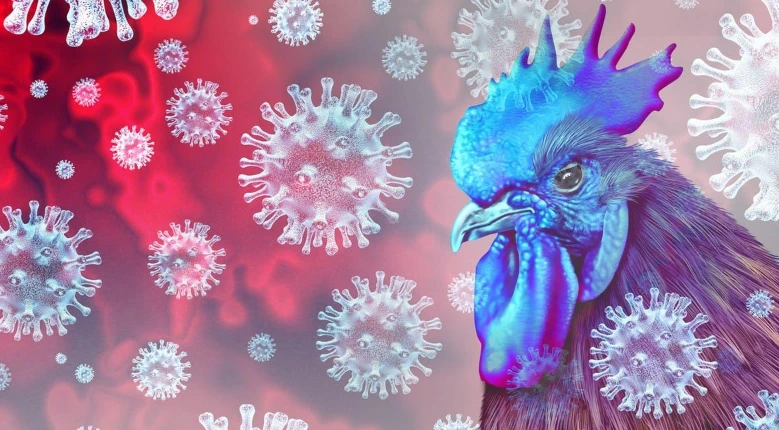
Australia has confirmed the detection of its first case of highly pathogenic avian influenza of the H5 strain on its continental territory. This discovery marks a significant turning point for the country, which has thus far been spared from this widely circulated variant of the virus found in multiple regions around the globe.
A Migratory Bird at the Center of Detection
According to Australian authorities, the virus was identified in a brown skua, a migratory seabird observed in a remote area of Western Australia. The presence of the H5 strain was confirmed by laboratories affiliated with the national scientific agency.
Additionally, tests conducted on another seabird, belonging to the giant petrel species, also yielded a suspicious result requiring further examinations.
Authorities Aim to Reassure the Public
The Australian Minister of Agriculture stated that this detection, while concerning, was not unexpected given the global spread of the virus.
Officials clarified that no cases of contamination have been reported to date in poultry farms and that no massive bird mortality events have been observed on the Australian mainland.
However, this situation is under enhanced surveillance to prevent any risk of transmission to poultry operations.
A Globally Feared Strain
The H5 strain of avian influenza has been responsible for significant losses in poultry farms and among wild bird populations worldwide. The virus has also been detected in several mammal species, including seals, cats, goats, alpacas, and pigs.
Health experts are closely monitoring its evolution due to its substantial economic and environmental impact.
Over 13,000 Young Seals Victimized by the Virus
This announcement comes just days after the publication of a study revealing that the H5 avian influenza has led to the deaths of over 13,000 young elephant seals in the Heard and McDonald Islands, a subantarctic archipelago located in the southern Indian Ocean.
These mass deaths illustrate the extent of the virus’s spread within wild fauna and heighten scientists’ concerns regarding its effects on global ecosystems.
Increased Vigilance to Protect the Poultry Sector
In response to this first detection on the continent, Australian authorities have intensified their surveillance and control measures. The goal is to prevent any transmission to farms and safeguard an essential poultry sector for the country’s economy.
The upcoming weeks will be crucial in assessing the evolution of the situation and measuring the true impact of the H5 strain’s arrival in mainland Australia.