Horizon 2030: Morocco Accelerates the Modernization of Its Transport System

Morocco’s Major Transport System Overhaul
Morocco is embarking on a significant transformation of its transport system to align with the Kingdom’s economic ambitions and prepare for major international events, notably the 2030 World Cup. Presented by the Minister of Transport and Logistics to the House of Representatives, this roadmap outlines plans for modernizing infrastructure, enhancing connectivity between regions, and improving travel safety.
Revitalizing Maritime Transport
A key priority for the government is to strengthen the Kingdom’s maritime sovereignty. Authorities aim to revitalize the national merchant fleet to reduce dependence on foreign shipowners.
This strategy is based on measures to encourage investment in maritime transport, enhance public-private partnerships, and develop a more competitive national fleet. By 2026, 27 vessels operated by seven companies are set to facilitate maritime links between Morocco, Spain, France, and Italy across twelve regular routes.
Significant Investments in Rail and Air Transport
Infrastructure development is another pillar of this strategy. The project to extend the high-speed train line is progressing, with plans to connect Rabat and Marrakech, while technical studies are underway for a future link to Agadir and for the railway connection to the Tanger Med port.
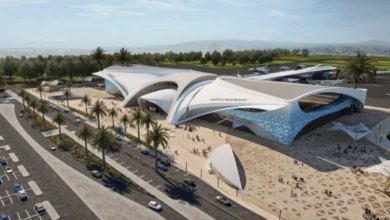
In air transport, the ambitions are equally ambitious. The national airline’s fleet is expected to grow from around 60 aircraft today to nearly 200 by 2034. Concurrently, the capacity of Moroccan airports will increase to 80 million passengers by 2030, thanks to several expansion projects and the construction of a new large-capacity airport in Casablanca.
New Regulations for E-Scooters and Electric Bikes
The government also plans to regulate new urban mobility modes. A new regulatory framework introduces specific rules for electric scooters, electric bikes, and personal mobility devices.
Notably, the text sets a maximum speed limit of 25 km/h, mandates signaling and lighting equipment, makes insurance compulsory, and prohibits the use of headphones while operating the vehicles. This regulation aims to enhance road safety and promote better coexistence among different road users.
Enhanced Technical Inspections and Digitization
The reform also calls for the establishment of 240 new technical inspection centers to improve territorial coverage and bolster accident prevention.
Simultaneously, the ministry is advancing the digitization of several administrative procedures. The processing times for mixed transport authorization have been significantly reduced, from several months to less than a week, facilitating the handling of hundreds of applications.
Smoother Mobility for Development
Finally, the ministry is working towards better integration of various transport modes by creating multimodal exchange hubs that connect cars, buses, and the railway network.
This comprehensive strategy aims to build a more efficient, sustainable transport system that meets the needs of citizens and the demands of economic development, while enhancing Morocco’s competitiveness on both regional and international levels.