Hormuz Strait: Oil Tanker Traffic Rises Amidst Middle East Tensions
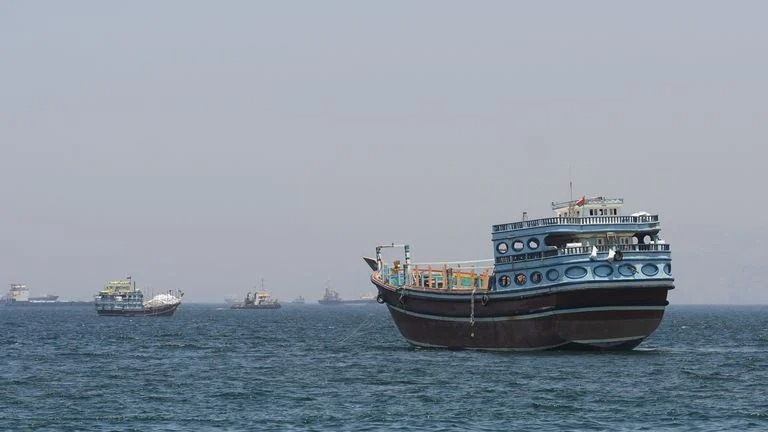
The traffic of oil tankers in the Strait of Hormuz is experiencing a marked recovery, even as the security situation in the Middle East remains fragile due to ongoing geopolitical tensions and regional conflicts.
This strategic maritime corridor, through which a significant portion of the world’s oil passes, is gradually returning to a more robust level of traffic, despite a context still characterized by high security risks.
A Strategic Maritime Route for Global Energy
The Strait of Hormuz is one of the critical junctions in global energy trade. It facilitates the passage of a significant share of oil and gas exports from Gulf countries, including Saudi Arabia, Iraq, Kuwait, the United Arab Emirates, and Iran.
This maritime corridor is essential for global energy supply, particularly for Asian economies that are heavily reliant on hydrocarbon imports.
Traffic Severely Disrupted by Regional Tensions
In recent months, maritime traffic has been severely disrupted by escalating military tensions in the region, leading to navigation restrictions, delays, and rising insurance premiums for shipowners.
Some periods have even seen a significant reduction in the number of vessels transiting through the area due to threats of attacks and maritime security risks.
A Gradual Recovery of Oil Flows
Despite this climate of uncertainty, recent data indicate a gradual recovery in the flow of oil tankers across the strait.
This trend can be attributed to global energy needs, the reorganization of shipping routes, and efforts to maintain the continuity of supplies, particularly to Asia.
A Major Issue for Oil Markets
The Strait of Hormuz plays a crucial role in balancing international oil markets. Any disruption to this strategic passage has an immediate impact on oil prices and the stability of global supply chains.
Markets remain particularly sensitive to developments in the security situation in the region.
Limited Alternative Routes
Despite some infrastructure allowing for partial bypassing of the strait, alternative capacities remain insufficient to absorb all volumes transiting through this maritime passage.
This further emphasizes the strategic importance of this corridor for the global energy economy.
A Situation Under Constant Surveillance
Maritime transport stakeholders and energy markets continue to closely monitor developments in the Strait of Hormuz, where geopolitical risks remain high.
Any new escalation could quickly affect the stability of international energy flows and reignite tensions in global markets.