Jet Fuel Surge: Royal Air Maroc Faces Risk of Deficit in Operations
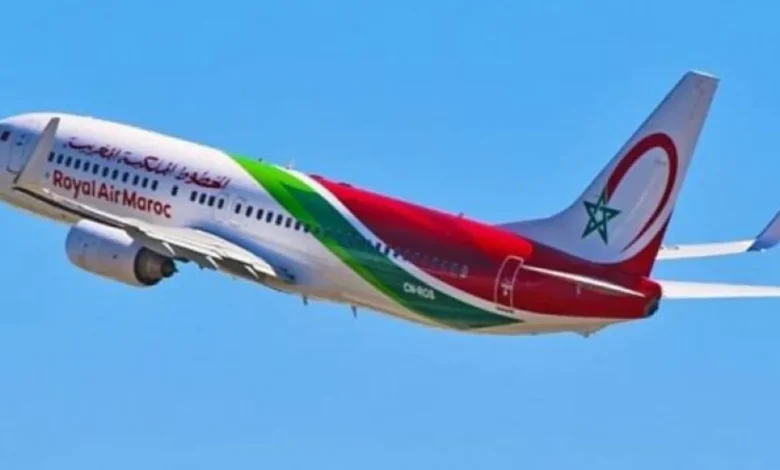
The Impact of Rising Jet Fuel Prices on Royal Air Maroc
The significant spike in jet fuel prices, which began with escalating geopolitical tensions in the Middle East, is disrupting the financial balance of Royal Air Maroc (RAM). The national airline is witnessing nearly a doubling of its fuel expenses, posing a genuine risk of a deficit for the current fiscal year.
A Key Factor: The Surge in Fuel Prices
Jet fuel is one of the primary expenses for airlines. Its recent surge is directly affecting RAM’s operating costs, especially in a climate where the global aviation sector remains sensitive to fluctuations in oil prices. This increase comes at a time when the company had started the year on a positive note, buoyed by a resurgence in traffic and strong demand.
An Uncertain Situation for the National Carrier
Despite these pressures, the situation remains fluid. The forecast for RAM’s financial performance heavily depends on the duration and intensity of the international energy crisis. Operational adjustments, such as revising certain flight routes and adapting the network, are already being considered or implemented to mitigate the impact on profitability.
Global Aviation Sector Also Under Strain
This predicament is not limited to Royal Air Maroc. On a global scale, airlines are facing a widespread increase in fuel-related costs, prompting a gradual reassessment of pricing strategies and operational tactics. In this context, carriers must strike a balance between price competitiveness and maintaining profitability.
A Structural Challenge for RAM
Beyond the current circumstances, the issue of fuel remains a structural challenge for the national airline, which is heavily exposed to fluctuations in international energy markets. RAM’s ability to withstand these shocks will depend on its operational flexibility, risk management policies, and the evolution of traffic in the coming months.