Nigeria-Morocco Pipeline: Morocco Boosts Energy and Mining Promotion in Washington
Morocco Highlights the African Atlantic Pipeline to American Decision-Makers
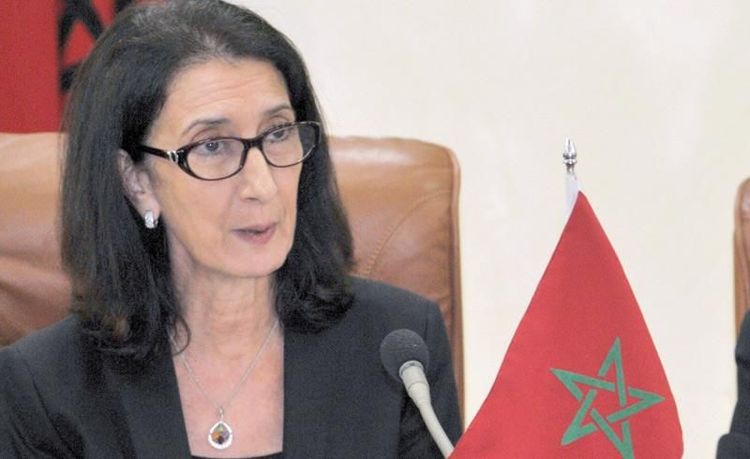
Morocco is ramping up its diplomatic and economic efforts surrounding the Nigeria-Morocco Atlantic Gas Pipeline (AAGP) project. This week, a delegation led by Amina Benkhadra, General Director of the National Office of Hydrocarbons and Mines (ONHYM), held several strategic meetings in Washington with American officials, international institutions, and influential think tanks to promote this megaproject and the kingdom’s potential in strategic minerals.
The discussions involved several prominent institutions, including the U.S. Department of Energy, the State Department, the National Security Council at the White House, the World Bank, the U.S. International Development Finance Corporation, as well as analysis centers such as CSIS, the Stimson Center, and the Atlantic Council.
A Strategic Energy Project for Africa and Europe
At the center of the discussions was the African Atlantic Pipeline, regarded as one of the most ambitious energy projects on the African continent. Driven by the vision of King Mohammed VI and the Nigerian President, this energy corridor aims to connect the gas resources of West Africa to Morocco and subsequently to Europe, while enhancing regional economic integration and international energy security.
ONHYM presented the current status of the project, which has reached the completion of feasibility studies and Front End Engineering Design (FEED). The Moroccan officials also highlighted the adoption of the terms of the intergovernmental agreement governing the pipeline’s operation among ECOWAS member states, a crucial step ahead of the official signing by the heads of state of the relevant countries.
The discussions also addressed the upcoming creation of the project company responsible for financial structuring, operational development, and overall project coordination, in preparation for the final investment decision (FID).
Morocco Aims to Strengthen Its Position in Critical Minerals
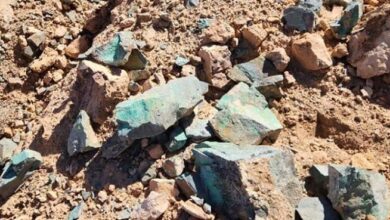
Beyond the pipeline, the Moroccan delegation also showcased the opportunities available in critical and strategic minerals, which have become essential for value chains related to the global energy transition. The exchanges highlighted the growing synergies between African energy infrastructures and the development of the strategic mineral resources necessary for green and technological industries.
According to ONHYM, the American institutions and think tanks engaged expressed sustained interest in the AAGP project and Morocco’s positioning in the energy and mining sectors. Several interlocutors emphasized the increasing geostrategic importance of these initiatives in the context of new global energy dynamics.
An Energy Corridor with Significant Geoeconomic Impact
Ultimately, the African Atlantic Pipeline is expected to connect several West African countries to Morocco through a vast energy corridor along the continent’s Atlantic coast. The project aims to foster energy access, support African industrialization, and contribute to the diversification of international energy supplies, particularly toward Europe.
Through this diplomatic initiative in Washington, Morocco reaffirms its commitment to consolidating its role as a regional energy hub and a strategic partner in the gas and critical minerals sectors.