OCP Maintains its BBB- Rating Despite Surge in Sulfur Prices and Looks Forward to Margin Recovery in 2027
OCP’s BBB- Rating Maintained Amidst Rising Sulfur Costs
Confirmed on November 20, the BBB- rating of OCP Group, coupled with a stable outlook, underscores the resilience of its credit profile despite the unprecedented rise in sulfur prices. To maintain its financial equilibrium, the Moroccan phosphate giant is prioritizing cash flow and adopting a more selective approach to its investments.
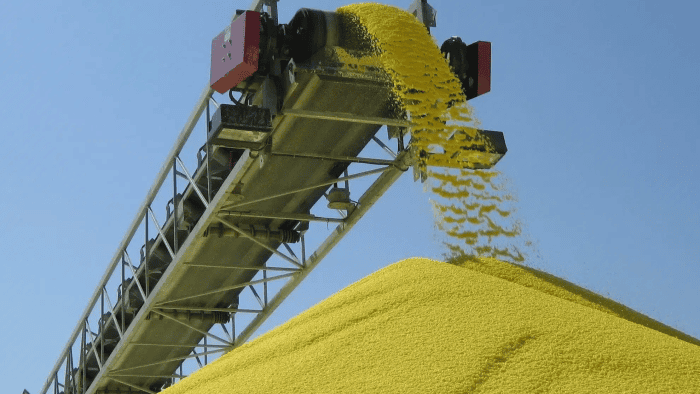
The year 2026 has proven particularly challenging for phosphate fertilizer producers. Supply disruptions in sulfur due to the ongoing conflict in the Middle East have led to a surge in the price of this strategic input, which exceeded $1,050 per ton during the summer. In contrast, average prices ranged between $100 and $300 per ton in 2023 and 2024.
This spike directly impacts the production costs in the sector. Sulfur is essential for the manufacturing of sulfuric acid, which is used in the production of phosphoric acid, a key component in phosphate fertilizers.
Consequently, the rising cost of this input escalates the industrial expenses for producers. However, their ability to pass this increase fully onto selling prices remains constrained by farmers’ purchasing power. Faced with higher fertilizer costs, some farmers may defer their purchases or reduce the volumes ordered, exacerbating pressure on market opportunities.
BBB- Rating Preserves Investment Grade Status
The maintenance of the BBB- rating, along with a stable outlook, allows OCP to retain its Investment Grade status. This classification is a significant indicator for bond investors, positioning the group within a credit risk category that aligns with the investment criteria of many institutional players.
This status is particularly important for a group engaged in long-term industrial programs, as its financing depends on its ability to access capital markets under favorable conditions.
OCP Prioritizes Cash Flow Amid Margin Pressures
In this context of high costs, OCP aims to strengthen its financial stability. The group is focusing on preserving its liquidity and adopting a more rigorous selection of its expenditures in an environment where the profitability of its operations continues to be affected by rising raw material prices.
The adjusted operating margin before interest, taxes, depreciation, and amortization (EBITDA) is estimated at around 15% for the 2026 fiscal year. This level reflects the current pressures on the group’s production costs and margins.
Margin Recovery Expected by 2027
However, medium-term prospects appear more favorable. According to the scenario adopted by the rating agency, OCP’s adjusted EBITDA margin could rise between 23% and 25% in 2027, provided there is an improvement in market conditions.
The evolution of sulfur prices will be one of the main factors influencing this potential recovery. A sustainable easing of prices would reduce production costs and breathe new life into margins. The resumption of customer orders would also play a crucial role, supporting the volumes marketed.
For OCP, the challenge now is to navigate this period of stress without compromising its financial stability or the continuity of its industrial projects. The trajectory of input costs, the dynamics of agricultural demand, and financing conditions will determine the group’s ability to achieve the expected recovery in 2027.