Morocco – African Development Bank: Over 2 Billion Euros Invested in Transport Infrastructure
Morocco and the African Development Bank: A Strategic Partnership for Infrastructure Modernization
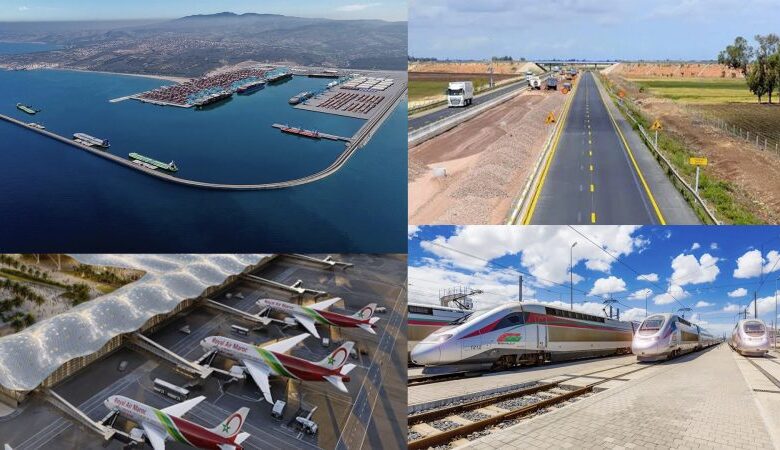
For several decades, Morocco and the African Development Bank (AfDB) have cultivated a strategic partnership that has facilitated the modernization of the Kingdom’s infrastructure. Over €2 billion has been mobilized in the transportation sector, covering roads, ports, railways, and airports.
Since gaining independence in 1956, Morocco has embarked on an extensive process of economic and social development aimed at modernizing the country and enhancing the conditions for sustainable prosperity. This ambition aligns with the AfDB’s mission, which has supported the economic and social transformations of countries across the continent since its inception.
The cooperation between the two parties dates back to 1978, with initial interventions in the water sector before expanding to agriculture, education, and health. Starting in 1987, transport infrastructure gradually became a major focus of this partnership.
The core goal is to open up territories, facilitate movement, and establish networks capable of boosting economic exchanges. Over the decades, AfDB financing in this sector has surpassed €2 billion, contributing significantly to the modernization of Moroccan infrastructure.
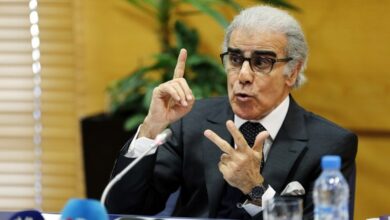
"Next-generation infrastructure is reshaping Morocco: it connects territories, improves mobility, and enhances its logistical performance. From roads to ports, railways to airports, every investment contributes to building a more integrated, competitive economy that is open to the world, empowered by a strategic partnership with the Kingdom," emphasizes Achraf Tarsim, the AfDB country manager for Morocco.
Roads: Over 26,000 Kilometers Completed in Rural Areas
The road network is one of the primary levers of this transformation. With funding of €90 million, the AfDB supported the two phases of the National Rural Roads Program, which resulted in the construction of over 26,000 kilometers of roads and helped to open up more than 80% of rural areas.
This momentum has also translated into the development of the motorway network. The Marrakech–Agadir motorway, backed by a €118 million loan from the Bank, has reduced travel time between the two cities by approximately two hours. This project has facilitated trade, agricultural activities, and tourism.
It incorporated an environmental aspect as well, with nearly 221,000 argan trees replanted over an area of 920 hectares.
To the east, the Guercif–Nador motorway is receiving €229 million in funding. By connecting the Oriental region to the national motorway network and the future port complex of Nador West Med, this infrastructure aims to boost industrial and commercial exchanges while improving the flow of people and goods.
Nador West Med: A Strategic Maritime and Industrial Hub
As part of this connectivity strategy, the Nador West Med port complex holds significant importance. Since 2015, the AfDB has mobilized nearly €290 million to support the creation of a maritime and industrial hub.
Associated with the future Bétoya industrial zone, the project is expected to strengthen economic exchanges between North and West Africa while facilitating the implementation of the African Continental Free Trade Area (AfCFTA).
Rail Transport: Nearly €300 Million Mobilized
The development of the railway network represents another critical aspect of cooperation between Morocco and the AfDB. The Bank has mobilized approximately €300 million for the National Railway Office (ONCF).
These funds have specifically supported the enhancement of the Tangier–Marrakech line, through the creation of new tracks, the doubling and tripling of strategic sections, the modernization of signaling systems, and the realization of major infrastructure projects, including the Casa Port station.
Such investments have increased network capacity, boosted passenger and freight traffic, and doubled the daily freight train count. They have also facilitated the emergence of Africa’s first high-speed line, connecting Tangier to Casablanca in just over two hours.
Cooperation continues with a project focused on supporting railway infrastructure development, which the AfDB is backing with €205 million. This initiative aims to strengthen the performance of the Kénitra–Marrakech corridor and aid the expansion of the high-speed network.
Airports: Enhanced Capacity
The partnership between Morocco and the AfDB also extends to air transport. A first airport program, financed with €240 million, modernized several airport platforms throughout the Kingdom.
In Marrakech, capacity increased from 6 to 9 million passengers per year. In Fès, it was expanded fivefold to nearly 2.5 million passengers, significantly enhancing the capacity of two key tourism and economic destinations.
In Agadir, modernizing air traffic control now enables the management of up to 2,000 flights per day, representing an operational capacity increase of approximately 30%. The project also offers environmental benefits, with new air routes designed to avoid emitting 27,000 tons of CO₂ annually and achieving savings of up to 176,000 tons of kerosene.
In Rabat, the Bank has provided over €109 million for the extension and modernization of the airport. This project aims to quadruple passenger and freight processing capacities, enhance the economic attractiveness of the Rabat-Salé-Kénitra region, and create hundreds of direct jobs.
In 2025, the AfDB also approved a new funding of €270 million for the modernization of airports in Marrakech, Agadir, Tangier, and Fès. This program focuses on digitizing operations, strengthening security, and modernizing air navigation systems.
Infrastructure Supporting Morocco’s Economic Connectivity
Through these numerous programs, the partnership between Morocco and the African Development Bank has facilitated the transformation of the Kingdom’s transport networks.
Rural roads, motorways, port infrastructures, railway lines, and airport platforms all contribute to a common dynamic: connecting territories, improving mobility, and linking Morocco to major regional and international economic corridors.
With over €2 billion mobilized for transport infrastructure, this cooperation is shaping a network designed to bolster the competitiveness of the Moroccan economy and its integration with Africa and the rest of the world.