CSR in Morocco: A Strategic Lever for Inclusive and Sustainable Growth

Corporate Social Responsibility in Morocco: A Rising Imperative for Development Strategies
In Morocco, Corporate Social Responsibility (CSR) is increasingly becoming a cornerstone of development strategies. According to the General Confederation of Moroccan Enterprises (CGEM), over 120 companies are currently certified in CSR, with this number steadily rising in recent years. Chakib Alj, president of CGEM, asserts that “CSR is no longer an option; it is a strategic imperative to ensure the sustainability and competitiveness of Moroccan companies.” This evolution marks a shift from a philanthropic mindset to an integrated approach aligned with international standards.
A Structurally Solid National Framework
Driven by royal directives and the Kingdom’s international commitments, CSR in Morocco is supported by an established reference framework. The New Development Model (NMD) emphasizes the role of the private sector in creating sustainable and inclusive value. Meanwhile, the High Commission for Planning (HCP) highlights that territorial inequalities remain pronounced, reinforcing the need for greater corporate engagement. Nadia Fettah, the Minister of Economy and Finance, notes that “integrating ESG criteria is now a critical lever for guiding investments and strengthening economic resilience.”
Priority Social and Territorial Challenges
In this context, CSR emerges as a tangible tool to address social challenges. According to Bank Al-Maghrib, nearly 30% of Moroccan adults remain unbanked, placing financial inclusion at the forefront of priorities. Initiatives spearheaded by institutions such as Al Barid Bank, with its accessible services and extensive territorial network, and Attijariwafa Bank, through its financial education programs, exemplify this dynamic. Additionally, companies like OCP Group are making significant investments in local development, particularly through the OCP Foundation, which is active in education, entrepreneurship, and sustainable agriculture.
Ecological Transition: A Continuing Structural Challenge
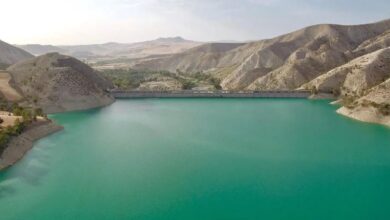
Despite the significant rainfall recorded recently in various regions of the Kingdom—temporarily improving the water reservoir levels—the water supply remains a structural challenge in Morocco. According to the Ministry of Equipment and Water, water availability is under medium to long-term pressure due to climate variability. In this context, ecological transition has become a major focus of CSR. Companies like MASEN are leading large-scale renewable energy projects, while LafargeHolcim Morocco is committed to reducing its carbon footprint through sustainable construction solutions. Leila Benali, the Minister of Energy Transition, emphasizes that “the low-carbon transition presents an opportunity to enhance the competitiveness of the national productive fabric.”
Towards Value-Creating CSR
Beyond mere compliance, CSR is emerging as a performance lever. A study by the Moroccan Capital Market Authority (AMMC) reveals that companies incorporating ESG criteria demonstrate better resilience to economic shocks. Players such as Maroc Telecom, which is focused on reducing its energy consumption, and Cosumar, active in sustainable agriculture, illustrate this trend. For investors, these commitments are becoming crucial, enhancing Morocco’s attractiveness in international markets.