Regional Reform: Debate on the Transfer of Powers and Project Management
Reform of Regional Project Execution: A Step Towards Enhanced Governance
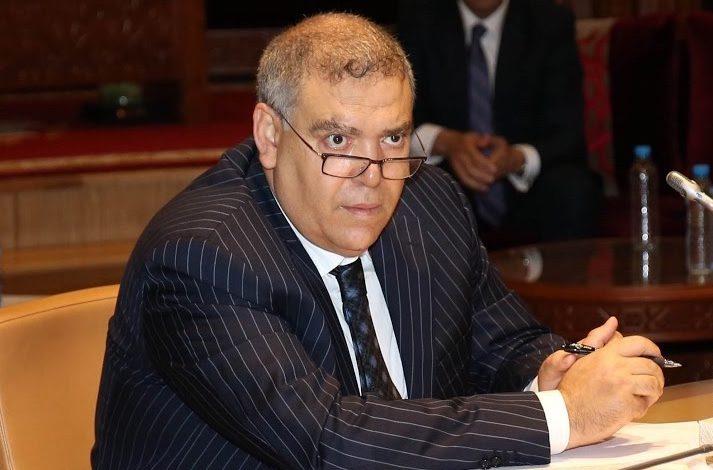
Last Tuesday, the Interior Affairs Committee of the House of Representatives began examining an organic bill related to regions, presented by Interior Minister Abdellatif Laftit. This legislation introduces significant changes to the management of projects and the organization of their implementation at the territorial level.
Transformation of Regional Execution Agencies
The bill proposes an important structural reform, notably transforming regional project execution agencies into public limited companies (Sociétés Anonymes). The appointment of their directors would be entrusted to the walis, effectively reducing the direct role of regional presidents in project implementation.
Concerns from Deputies About Elected Officials’ Roles
During discussions, several deputies voiced concerns about a potential weakening of the role of local elected officials. They argue that these changes could diminish local democracy and limit regional councils to a role of validation and discussion, while execution would be handed over to technical structures. The opposition also raised alarms about a potential imbalance in territorial governance and a weakening of the principles of accountability and responsibility.
Interior Ministry’s Response
In response, the Interior Minister asserted that this reform is not intended to curtail the powers of elected officials but to correct dysfunctions observed over the years. He reminded the assembly that regions remain a central pillar of development, but that implementing their competencies requires greater coordination and realism.
Abdellatif Laftit also indicated that some local initiatives have necessitated intervention from his department to be rectified, emphasizing the need for collaboration between elected officials and walis to ensure the effectiveness of public policies.
Modernizing the Project Execution System
Regarding the transformation of agencies into public limited companies, the minister explained that the goal is to enhance performance and flexibility in project execution while maintaining their public character. Appointing qualified individuals is deemed essential to guarantee the success of regional programs.
A New Model for Advanced Regionalization
The proposal is part of a broader vision to strengthen advanced regionalization, based on three main pillars: reorganizing competencies, modernizing execution mechanisms, and bolstering financial resources.
The government plans to gradually increase financial transfers to regions, aiming for at least 12 billion dirhams annually starting in 2027.
Objective: Efficiency and Balanced Development
According to the ministry, this reform aims to establish a more effective and well-structured framework for territorial development, capable of responding to citizens’ needs and supporting the country’s economic and social transformations.