Crisis in the Strait of Hormuz: UN Warns of Global Famine Risk
UN Chief Warns of Global Food Crisis Due to Hormuz Strait Disruptions
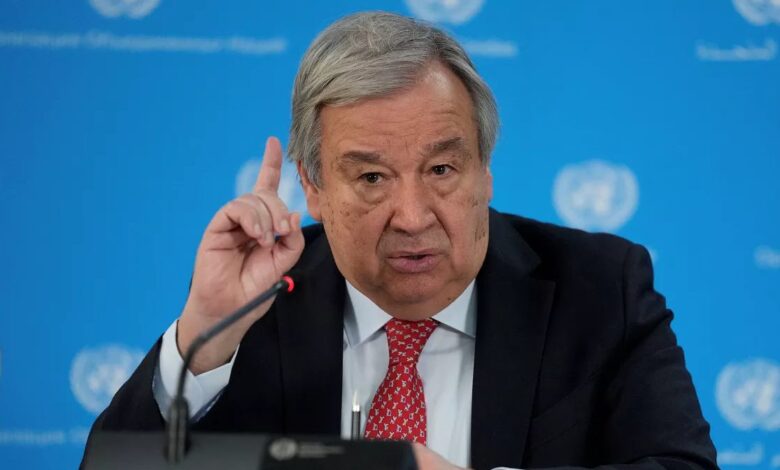
On Monday, April 27, António Guterres, the Secretary-General of the United Nations, raised alarms regarding the potential consequences of prolonged disruptions in the Strait of Hormuz. He emphasized that such a scenario could trigger a global food crisis that might lead to famine for millions. Guterres urged that international maritime routes must remain open and secure, in accordance with international law.
While addressing a high-level debate at the United Nations Security Council focused on maritime routes, Guterres warned, "The persistence of these disruptions over an extended period could spark a global food crisis, plunging millions of people, especially in Africa and South Asia, into hunger and poverty."
He clarified that this burden would weigh heavily on least developed countries and small island developing states. Currently, more than 20,000 sailors and around 2,000 commercial vessels are reportedly stranded amidst increased risks and navigation restrictions.
To resolve this deadlock, the UN chief stressed the need to uphold international law and to enhance dialogue and cooperation among states, regional organizations, and all actors within the maritime sector.
Meanwhile, Arsenio Dominguez, Secretary-General of the International Maritime Organization, highlighted the importance of keeping straits used for international navigation open. He reminded attendees that no legal basis exists for any state to impose discriminatory taxes or conditions in these passages.
Dominguez cautioned that any violation of these principles "would set a dangerous precedent with severe repercussions and would seriously jeopardize the security and stability of maritime transport."
He also addressed the plight of thousands of sailors trapped aboard vessels in this strategic corridor, noting that the International Maritime Organization is developing an evacuation framework in collaboration with regional countries, and is ready to deploy it "without delay."
According to the UN, nearly one-fifth of global oil trade, one-fifth of liquefied natural gas, and about one-third of internationally transported fertilizers pass through the Strait of Hormuz.