Morocco: ONEE and the Energy Federation Place Flexibility and Storage at the Heart of the Electric Transition
A Strategic Challenge for the Future of the Power System
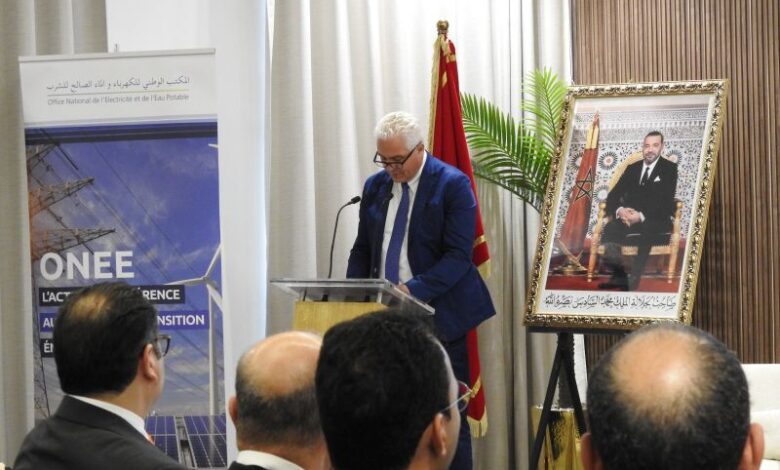
In Marrakech, the National Office of Electricity and Drinking Water (ONEE) and the Federation of Energy gathered key stakeholders in the sector to address a major challenge: the massive integration of renewable energies while ensuring the stability of the national power grid.
Two key levers are central to this transformation: system flexibility and the development of energy storage.
A Surge in Renewable Energy
The figures presented illustrate the scale of the ongoing energy transition:
- 5,730 MW of installed renewable energy (approximately 47% of the mix),
- an additional 12.5 GW expected by 2030,
- over 180 billion dirhams in committed investments.
Morocco is thus on track to exceed its goal of 52% renewable capacity by 2030.
Storage: A Pillar of Grid Stability
In the face of the intermittency of renewable energies, storage becomes a key element of the power system. Several solutions are currently deployed or under development:
- Pumped Energy Storage Stations (PESS): 814 MW currently operational,
- An additional 700 MW of PESS planned,
- Thermal storage: 510 MW,
- Battery Energy Storage Systems (BESS): 1,550 MW.
In total, over 3,500 MW of storage capacity is anticipated by 2030.
Flexible Means to Secure Supply
In addition to storage, the Moroccan power system also relies on:
- Over 4,500 MW of flexible natural gas capacity,
- An expansion of the national transmission network with an additional 6,000 km of high-voltage lines,
- The development of new HVDC and UHT infrastructures.
Digitalization as an Accelerator
The modernization of the grid also involves digitalization, allowing for enhanced real-time management of production, consumption, and energy flows.
A Transformation Driven by Public-Private Cooperation
Participants emphasized that the success of this transition hinges on the synergy between public and private actors, transforming energy investments into industrial and economic opportunities.
Through this dynamic, Morocco reaffirms its commitment to building a more flexible, resilient, and sustainable power system capable of supporting the rise of renewable energies while ensuring supply security.