Morocco’s reserves approach 500 billion dirhams as the dirham strengthens against the dollar and the euro.
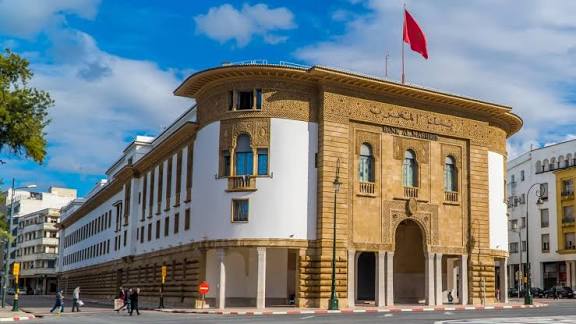
Morocco’s International Reserves Continue to Rise Amidst Dirham Appreciation
As of the end of July 2026, Morocco’s international reserves have continued their upward trajectory, coinciding with an improvement in the dirham’s value against major currencies. This comes as Bank Al-Maghrib maintains its interventions in the monetary market to ensure balance in bank liquidity.
According to the latest weekly data from Bank Al-Maghrib, Morocco’s official reserve assets reached 498 billion dirhams as of July 31, 2026, marking an increase of 0.2% from the previous week and a remarkable year-on-year growth of 22.7%.
This increase signifies a strengthening of the foreign assets held by the central bank, enhancing the national economy’s ability to navigate international market fluctuations and meet obligations related to trade and external payments.
In the foreign exchange market, the dirham also experienced favorable movement between July 30 and August 5, 2026, appreciating by 0.8% against the US dollar and 0.6% against the euro.
Bank Al-Maghrib reported that no currency auctions occurred during this period, with the national currency operating under normal market conditions.
Meanwhile, the central bank has continued its refinancing operations for the banking sector, averaging 149.3 billion dirhams in daily interventions from July 30 to August 5.
These operations included 53.9 billion dirhams in seven-day advances, 47.9 billion dirhams in longer-term repurchase agreements, and 47.5 billion dirhams in secured loans.
On the interbank market, the average daily trading volume was 2.6 billion dirhams, while the average interbank rate remained stable at 2.25%.
In its most recent auction conducted on August 5, with a maturity set for the following day, Bank Al-Maghrib injected 49.4 billion dirhams in seven-day advances.
These indicators reflect the robustness of Morocco’s monetary fundamentals, bolstered by the growth of international reserves and the appreciation of the dirham, as Bank Al-Maghrib continues its interventions to ensure adequate liquidity levels and maintain monetary market stability.