Casablanca Port: Worsening Congestion Weakens the Entire Supply Chain
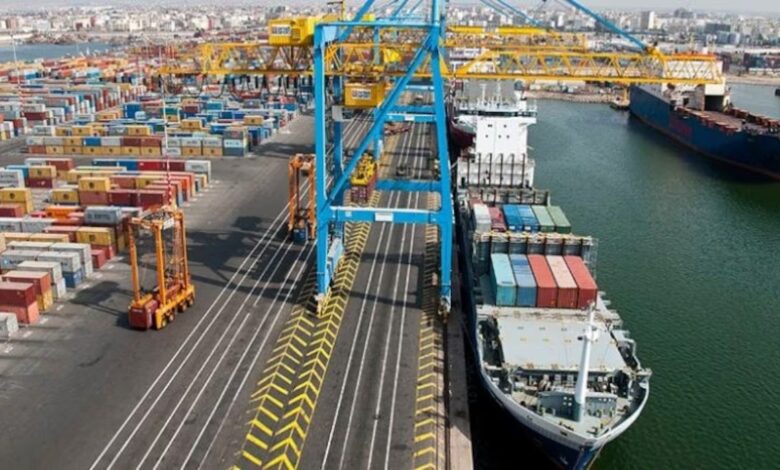
Congestion at the Port of Casablanca is worsening, raising serious concerns among stakeholders in the national logistics chain. Reports indicate that this phenomenon is no longer an isolated incident but has become a persistent issue, with lines of ships and overcrowded docks severely disrupting port operations.
This situation is now perceived as a structural problem affecting both importers and exporters, as well as all sectors dependent on maritime trade.
Increasing Waiting Times for Ships
Delays at the Port of Casablanca have reached particularly high levels. Several vessels are now forced to wait for long days in the harbor before they can dock, significantly prolonging the processing times for goods.
In some instances, these delays far exceed the industry standards, resulting in disorganization of logistical flows and increased pressure on the port’s capacity.
A Direct Impact on Costs and Economic Operators
This congestion also leads to a significant increase in costs for operators. Demurrage fees, charged when ships exceed their scheduled docking time, weigh heavily on importers and exporters.
These additional costs ripple through the entire logistics chain, affecting the competitiveness of businesses and increasing financial pressure on the economic players involved.
Strategically Important Sectors Especially Affected
The cereal sector is among the most impacted by this situation. Delays in unloading raw materials can disrupt supply chains, particularly for human and animal feed.
This dependence on an already saturated port heightens the risk of supply disruptions and jeopardizes the continuity of industrial and agro-food activities.
Port Capacities Under Pressure Despite Investments
In light of this situation, investment efforts have been initiated to enhance port infrastructure, particularly through expansion and modernization projects.
However, these improvements have yet to produce an immediate effect on the current congestion, as capacities remain insufficient to accommodate the growth in trade flows.
A Strategic Challenge for Morocco’s Logistics Competitiveness
Beyond operational difficulties, congestion at the Port of Casablanca raises a major strategic issue for the country’s logistics competitiveness. Ongoing delays and associated costs could ultimately affect the port’s attractiveness and prompt some shipping companies to reconsider their stops.
In this context, managing port flows and accelerating logistical capacities emerge as priorities to secure trade exchanges and strengthen Morocco’s position in international logistics chains.