China Establishes Itself at the Center of Global Diplomacy Amid International Tensions
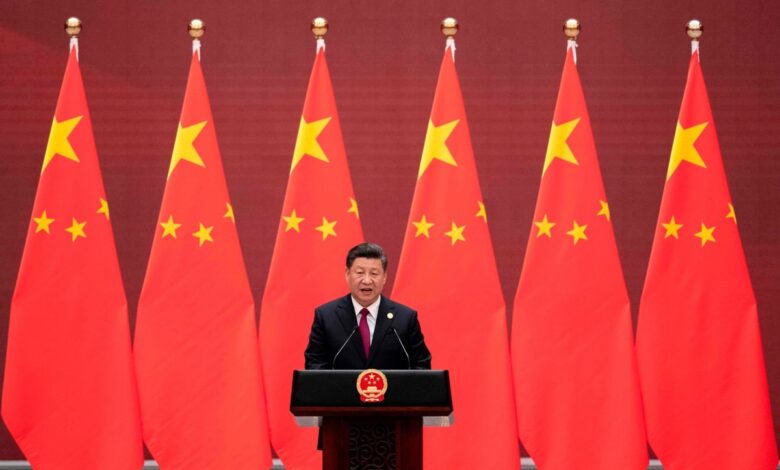
China is gradually confirming its return to the center of global diplomatic balances amid a backdrop of geopolitical tensions, economic rivalries, and international strategic realignments. In Beijing, the recent successive visits of U.S. President Donald Trump and Russian President Vladimir Putin illustrate this new diplomatic centrality of China.
Chinese President Xi Jinping took advantage of these meetings to assert China’s strategic position on the world stage and emphasized that international stability now largely depends on the major powers’ ability to avoid direct confrontation. During discussions with Donald Trump, Xi Jinping stressed the importance of prioritizing cooperation rather than rivalry between Beijing and Washington.
This diplomatic sequence occurs in a context of ongoing tensions between the United States and China over several sensitive issues, including trade, technology, military, and geopolitical matters. The Taiwan issue remains at the forefront of Chinese concerns, with Beijing regarding this matter as a strategic red line.
China seeks to capitalize on its economic, industrial, and technological power to enhance its international influence. Beijing has significant advantages in several strategic sectors, such as rare earths, electric batteries, industrial infrastructure, and advanced technologies.
In response to this power ascent, the United States is attempting to maintain its global leadership while managing multiple diplomatic and military fronts simultaneously. This Sino-American rivalry transcends mere trade issues and is increasingly resembling a global competition for economic, technological, and geopolitical influence.
According to several analysts, Beijing is adopting a long-term diplomatic approach founded on stability, strategic patience, and the gradual strengthening of its economic and political alliances. This strategy enables China to solidify its position in various regions of the world, particularly in Africa, Asia, the Middle East, and Latin America.
At the same time, international tensions surrounding the Middle East, Iran, and global supply chains further reinforce Beijing’s role as an essential player in international balances.
This evolution marks a profound transformation in global diplomacy, with China no longer merely a major economic power but now aspiring to be one of the key architects of the new international order.