Wheat in Morocco: Record Harvest, Tariffs, and Storage Strategy – A New Turning Point
Morocco Begins Agricultural Campaign 2025-2026 Amid Record Cereal Harvest
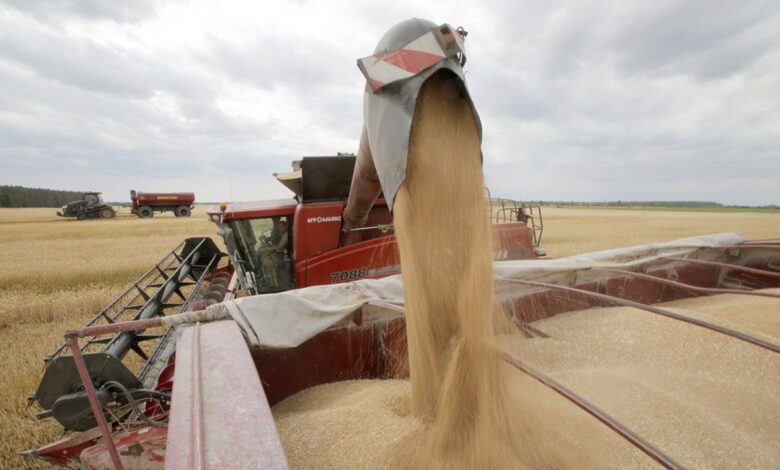
Morocco has kicked off its 2025-2026 agricultural campaign in a context marked by a record cereal harvest estimated at around 9 million quintals. This achievement, bolstered by more favorable climatic conditions after several years of drought, is redefining the national priorities regarding cereal management.
This situation allows authorities to reassess their import policy and enhance the valorization of national soft wheat production, a central element of the country’s food security.
Return of Customs Duties on Soft Wheat
In this new context, the government has decided to suspend the exemption of customs duties on imports of soft wheat, with a rate that can reach up to 170%.
This measure aims to reduce dependence on imports, encourage the collection of local production, and strengthen the stability of the domestic cereal market. It signifies an important shift in the commercial and agricultural strategy of the Kingdom.
Enhanced Strategic Storage Policy
Beyond customs taxation, authorities are focusing on strengthening storage capacities. A system led by the National Office for Cereals and Legumes (ONICL) and sector operators envisions the creation of a strategic stock estimated at 1.5 million tons.
Financial incentives are being established to encourage storage organizations to retain local wheat. This approach aims to ensure supply stability, regulate prices, and secure the national market.
Towards Better Food Sovereignty
This exceptional harvest presents Morocco with an opportunity to gradually reduce its dependence on imports. However, fully meeting domestic needs remains a long-term goal, requiring a balance between local production and imports.
An Agricultural Strategy Focused on Resilience
This new direction falls within a broader vision aimed at strengthening the resilience of the agricultural sector against climate fluctuations and international market volatility.
Morocco is thus investing in the modernization of cereal supply chains, optimizing storage, and enhancing local production to solidify its food security.