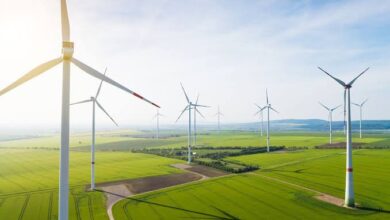
ONEE: A Project to Generate Green Electricity from Drinking Water Networks
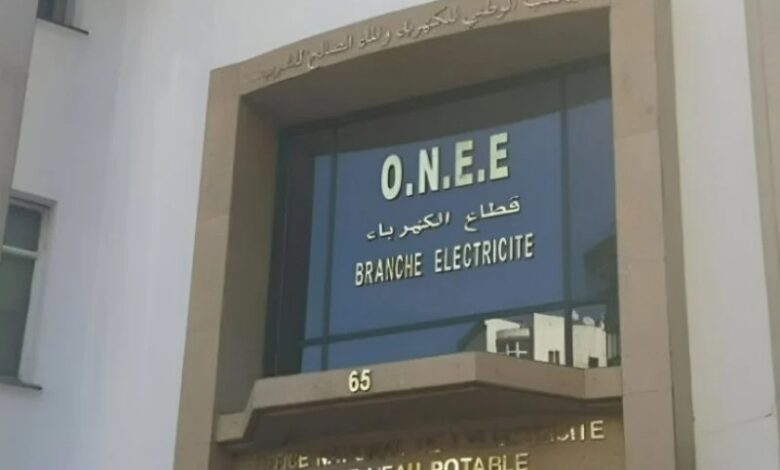
The National Office for Electricity and Drinking Water (ONEE) has launched a feasibility study to harness lost hydraulic energy within its drinking water supply networks. The aim is to convert residual pressures in the pipes into renewable electricity through micro-hydroelectric plants, as part of the national energy transition strategy.
ONEE Focuses on Recovering Hydraulic Energy
Through its Water Branch, ONEE is preparing a new project aimed at enhancing the energy efficiency of its infrastructure. The office plans to conduct a technical and economic study to assess the potential for electricity generation from the residual pressures found in its drinking water transmission pipes.
This initiative relies on the installation of hydroelectric turbines capable of converting hydraulic energy that is currently wasted into a source of renewable electricity.
Transforming Energy Loss into Renewable Resources
The transportation of drinking water between production units and distribution networks primarily occurs by gravity, exploiting elevation differences. In many cases, this setup generates significant pressures that are currently reduced using dissipation devices, such as surge protectors or pressure-reducing valves.
Until now, this energy was simply lost. Advances in micro-hydroelectric technology now allow for this energy to be captured, enabling electricity production without disrupting the operation of drinking water facilities.
Identifying the Most Promising Sites
The study will cover all infrastructures with energy recovery potential, including steep-gradient gravity pipes, existing pressure reduction devices, intake points at drinking water treatment plants, and future installations that could integrate such technology.
The goal is to identify the most efficient facilities, evaluate their energy potential, and compare the various technical solutions available.
A Pilot Project Before Large-Scale Deployment
ONEE will adopt a gradual approach. The identified sites will first be analyzed through pre-feasibility studies before being prioritized based on technical, economic, and operational criteria.
At the conclusion of this phase, a pilot site will be selected for detailed studies. This project will serve as a reference before potentially deploying this technology at other facilities within the national network.
A Contribution to the Energy Transition
By harnessing previously untapped energy, this project is fully aligned with the national energy transition strategy and the energy efficiency policy promoted by ONEE.
Beyond renewable electricity production, this initiative is expected to reduce the energy consumption of hydraulic infrastructures, limit carbon emissions, and enhance the sustainability of the public drinking water service.