Tanger Med Strengthens Its Position on the Maritime Route Between Asia, the Red Sea, and Europe
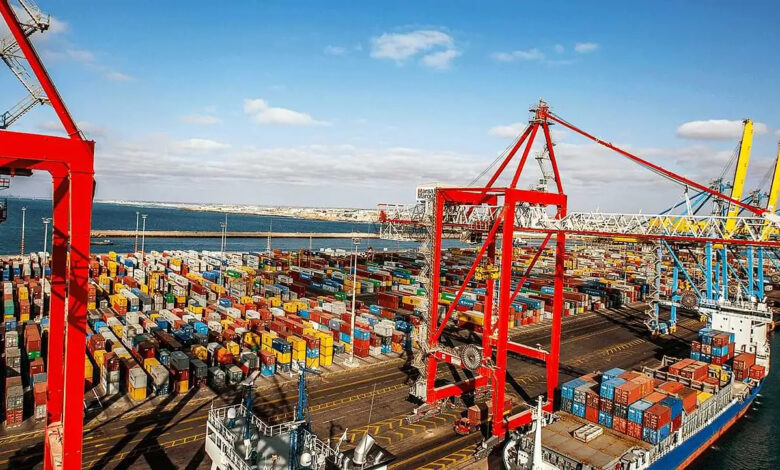
The port complex Tanger Med is solidifying its position on the map of major international maritime connections following its integration into the new route of the AE19 service by the Gemini alliance, which includes the Maersk and Hapag-Lloyd groups. This development underscores the increasing role of the Moroccan port in the major corridors of global maritime trade.
The new route will connect the Saudi port of Jeddah to several major Asian ports, particularly in China, South Korea, and Malaysia. Ships will then transit through the Suez Canal, with a stop at the Egyptian port of Port Said, before reaching Tanger Med and finally Singapore.
This adjustment carries strategic significance for maritime transport operators, given the geographical location of Tanger Med at the junction of key shipping lanes linking Asia to Europe via the Mediterranean and the Strait of Gibraltar.
The revamped route is also expected to enhance the operational efficiency of the service. The total cycle time for the AE19 connection will be reduced from 16 to 14 weeks, allowing for optimized vessel rotation and better management of cargo flows.
The service is set to continue on a regular weekly basis, providing international trade operators with greater flexibility and visibility for their transport and logistics operations.
The incorporation of Tanger Med into this service further highlights the ongoing expansion of its role as a strategic platform in international maritime transport. The port benefits not only from its geographical positioning but also from its robust port and logistical infrastructure, along with its connections to numerous international markets.
This development strengthens Tanger Med’s positioning as a major gateway for trade between continents, at a time when maritime links between Asia, the Middle East, and Europe are becoming increasingly important.
It also reflects the growing competition among major international ports to attract key shipping lines and consolidate their roles within global supply chains.