Digital Morocco 2030 Strategy: A Key Step in the Kingdom’s Digital Transformation
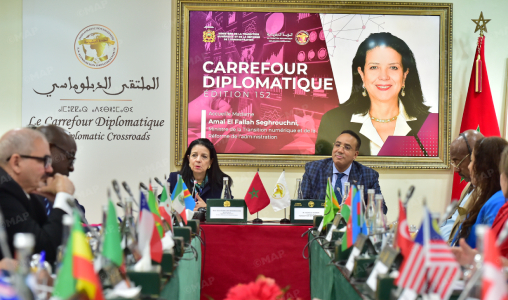
Morocco’s Digital Transformation Strategy: Key Insights from the Diplomatic Forum
Amal El Fallah Seghrouchni, the Minister Delegate responsible for Digital Transition and Administrative Reform, has stated that the "Morocco Digital 2030" strategy represents a "critical step in the Kingdom’s digital transformation process."
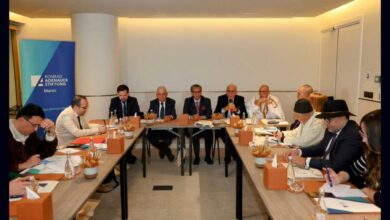
Speaking on Thursday in Rabat at the 152nd edition of the Diplomatic Forum, organized by the Diplomatic Foundation and attended by accredited ambassadors to Morocco and representatives from international organizations, the Minister highlighted that Morocco is engaged in a deep reflection on its digital future, rejecting the “choice between dependence and isolation.”
A Strategy Anchored in Sovereignty and Modernity
The Minister emphasized that the Moroccan strategy is built on four pillars: operational technological sovereignty, strengthened data governance, and modernity rooted in the history, culture, and socio-economic context of the Kingdom.
She also underlined Morocco’s ambition to develop national artificial intelligence that is "controlled, useful, and integrated into the economy," aimed at benefiting the country’s development.
A Strategic Positioning of Morocco in the Global Digital Landscape
El Fallah Seghrouchni further pointed out that Morocco’s geostrategic location allows it to play a balancing role in the reconfiguration of global technological power relations, positioning the Kingdom as a platform for international dialogue.
She insisted on an approach based on effective cooperation and managed openness, asserting that "successful digital transformation is not an end in itself, but a means to serve society and the State."
Towards a Simpler and More Human Administration
The Minister called for a united effort to create an administration that is "simpler, safer, and more human," aimed at serving citizens and enhancing digital sovereignty.
Administrative Reforms and Accelerating Digital Transition
Abdellati Habek, President of the Diplomatic Foundation, reminded attendees that Morocco has committed in recent years to significant structural reforms, including the simplification of administrative procedures, decentralization, and strengthening good governance, all in parallel with accelerating digital transformation.
He noted that digitization has become "an unavoidable strategic choice," highlighting that the Kingdom is developing digital infrastructures and innovative public services.
International Cooperation on Artificial Intelligence
Habek also stressed that the challenges associated with artificial intelligence transcend borders, calling for enhanced international cooperation to guide these technologies toward sustainable development.
In this regard, he announced the recent launch of a strategic dialogue between Morocco and the European Union focusing on digitalization, artificial intelligence, digital infrastructures, and innovation.
A Diplomacy Forum with Strong International Participation
This event is part of a series of meetings organized by the Diplomatic Foundation on the major development projects in Morocco, involving representatives from over 60 countries and international organizations.