
Monetary Policy: IMF Identifies Signs of “Fiscal Dominance” in Morocco
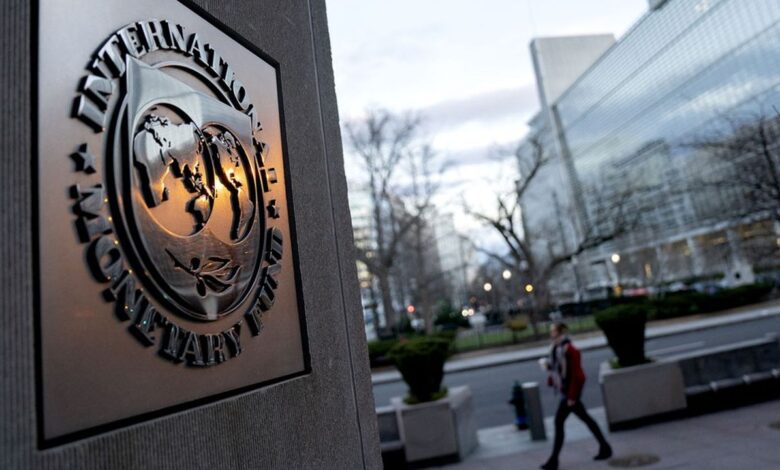
The International Monetary Fund (IMF) has raised concerns in a new study focused on central bank independence, highlighting signs of fiscal dominance in several countries, including Morocco. According to the institution, this situation could complicate the implementation of monetary policy and weaken inflation control.
Morocco Among the Affected Countries
According to the IMF report covering the Middle East, North Africa, Central Asia, and the Caucasus, Morocco is among the countries where government debt to the banking system exceeds the regional average. The institution uses the net claims of the banking system on the government as an indicator to measure this fiscal dominance.
Alongside Morocco, countries such as Egypt, Jordan, Algeria, and Pakistan show similar levels, which are considered above average.
A Risk for Monetary Policy
The IMF explains that a strong reliance of the government on bank financing can influence monetary decisions, particularly by limiting the capacity of central banks to act freely on interest rates.
This situation can lead to several negative effects, such as increased inflationary pressure, challenges in the transmission of monetary policy, and a weakening of the credibility of monetary institutions, according to the report.
Crowding Out Effect and Impact on Investment
The institution also warns of a potential crowding out effect on credit, where public financing needs reduce private sector access to banking resources. This could ultimately hinder investment and slow down economic growth.
IMF Recommendations
To address these issues, the IMF recommends strengthening the independence of central banks through a more robust legal framework, improved governance, and greater financial autonomy.
It also suggests ensuring transparent processes for the appointment of officials, extending the duration of mandates, and limiting the direct influence of political authorities in decision-making bodies.
Gradual Reforms
Finally, the IMF points out that reforms to achieve monetary independence typically produce their effects over the medium to long term. Their effectiveness depends both on the implementation and the ability of institutions to apply them consistently.
In conclusion, the institution believes that central bank independence is a key factor in ensuring better price stability and enhancing economic resilience in the face of external shocks.