
Smara Leverages Its Heritage to Boost Economic Appeal
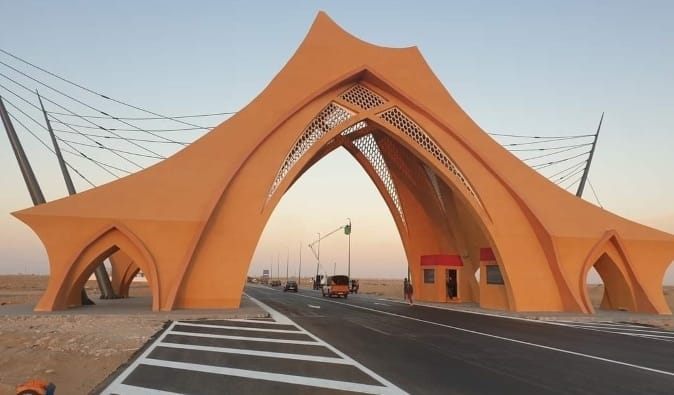
Smara Strengthens Its Position as an Investment Destination by Leveraging Underutilized Cultural, Archaeological, and Natural Heritage
Smara is enhancing its profile as a new investment destination by capitalizing on a largely untapped resource: its cultural, archaeological, and natural heritage. Through an immersive visit organized for Moroccan and foreign investors, the province unveiled a strategy aimed at transforming its heritage assets into a driving force for economic, tourism, and territorial development.
This initiative, part of the Smara Invest Experience, aligns with the vision of His Majesty King Mohammed VI, may God assist him, who prioritizes the enhancement of heritage in the development of territories and the diversification of regional economies.
The program for this tour included various archaeological sites and iconic natural spaces within the province, emphasizing the opportunities available in cultural tourism, eco-tourism, and related services.
The President of the Laâyoune-Sakia El Hamra Regional Council, Sidi Hamdi Ould Errachid, presented several structural projects developed in consultation with local stakeholders. Key projects include the lakes of the Tifariti commune, a racing circuit at Aroussi, and the archaeological site of Lgchiwat, known for its rock engravings, which is a major goal for UNESCO World Heritage designation.
Beyond these initiatives, the regional official emphasized the importance of enhancing Smara’s connectivity with the introduction of a direct air link to Casablanca, a first for the province. This infrastructure is expected to improve territorial accessibility, streamline economic operators’ movements, and boost the province’s appeal to investors.
"The entire local ecosystem is mobilized, and administrative processes have been simplified to facilitate the establishment of national and international investors," he stated.
International partners present also expressed confidence in Smara’s economic potential. Nunzia Cocozza, a representative of the Italian-Arab Chamber of Commerce, praised the progress made in the Southern provinces, believing this momentum opens new avenues for economic cooperation between Morocco and its international partners. She encouraged companies to invest in the region and support ongoing development projects.
Similarly, Sébastien Lebonté, president of the French Chamber of Commerce and Industry in Morocco (CFCIM), noted the gradual strengthening of his institution’s presence in the Southern provinces, including plans to establish a permanent representation in Smara in 2025 to assist French companies looking to expand their activities in the region.
According to Mohamed Mouloud El Ahmadi, the provincial director of Culture in Smara, heritage today represents a significant economic asset. He believes the numerous archaeological sites, historical monuments, and natural spaces in the province present important opportunities for developing a tourism offering rooted in the rich material and intangible Hassani heritage.
Through this initiative, Smara aims to demonstrate that culture and heritage no longer serve merely to preserve collective memory; they now represent key levers for creating value, driving investment, and generating employment. The explicit ambition is to convert the province’s heritage resources into sustainable economic projects capable of attracting private capital and enhancing the attractiveness of Southern provinces.