Nantes: Sébastien Lecornu Welcomes the Ban on the Annual Meeting of Western Muslims
Annual Meeting of Western Muslims in Nantes Prohibited by Prefectural Order
The annual meeting of Western Muslims, scheduled to take place in Nantes, has ultimately been prohibited by a prefectural order—a decision later upheld by administrative justice. The event was expected to gather thousands of individuals for conferences and discussions organized by the Islamic Association of Western France.
A Government-Supported Decision
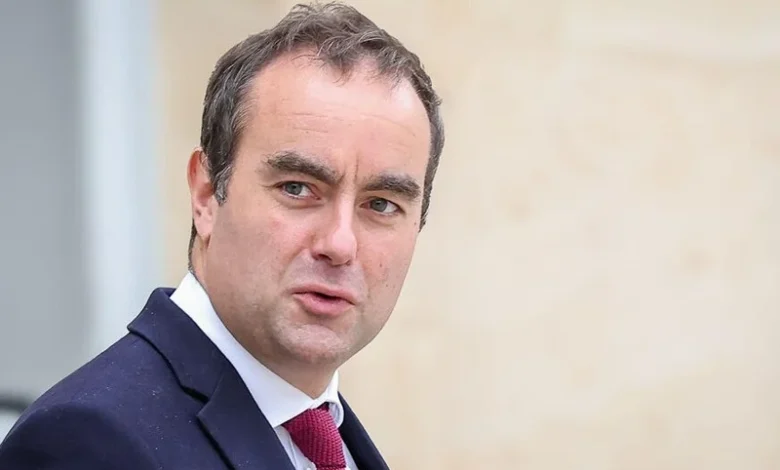
Prime Minister Sébastien Lecornu welcomed this ban, asserting that it reflects a firm stance against what he deems the risks associated with the "entrism of the Muslim Brotherhood." He emphasized the importance of upholding a solid legal framework and respecting republican principles.
This position was echoed by the Minister of the Interior, who noted that authorities acted due to the anticipated presence of speakers likely to express views considered contrary to the values of the Republic.
A Controversial Decision for Organizers
The organizing association contested the order in administrative court, arguing that the meeting aimed to promote dialogue, spirituality, and coexistence. Nonetheless, they acknowledged the judicial decision while reiterating their commitment to the rule of law.
Despite the prohibition, the organizers indicated that they might pursue the case on its merits in the coming months.
A Controversy Surrounding Public Freedoms
This situation reignites the debate in France over the balance between religious freedom, public safety, and adherence to republican values. Some local elected officials have voiced their concerns, suggesting that this ban deprives numerous participants of an important meeting space.
Conversely, other political leaders view this decision as a strong message in light of potential ideological deviations at certain gatherings.
A Sensitive Issue at the Heart of Political Debate
Beyond the event itself, this prohibition fits within a broader political context characterized by discussions on "entrism" and the monitoring of specific religious movements in France.
The matter is expected to continue fueling debates in the coming days, both legally and politically.