Morocco: The Kingdom Establishes Itself as a Strategic Industrial Hub for German Companies in Africa
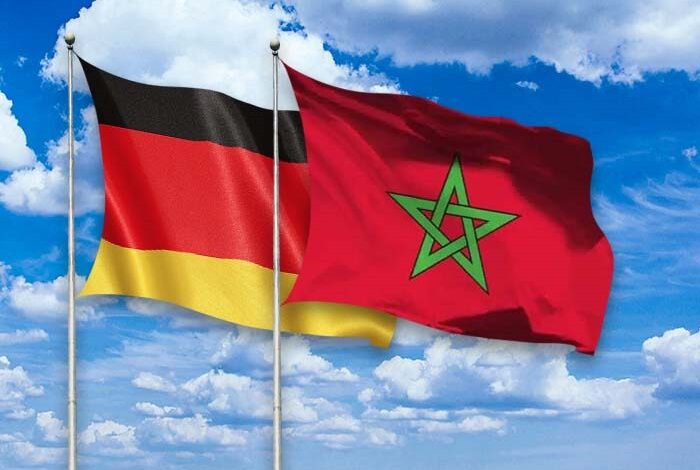
Morocco Among Top African Destinations for German Industrial Investment
Morocco has established itself as one of the leading African destinations for German industrial investments, particularly in production activities aimed at supplying the German market. According to Germany Trade & Invest (GTAI), German exports to Africa are expected to reach a record level of €30.3 billion by 2026, an increase of over 6%.
Morocco’s strategic position within the industrial development plans of German companies in Africa is firmly reaffirmed. The Kingdom serves as a hub for relocated production activities, with a portion directed towards the German market, similar to Tunisia, as highlighted in a study by Germany Trade & Invest (GTAI), the federal German agency responsible for promoting trade and investment.
GTAI’s forecasts suggest a growth in German exports to Africa, which could hit €30.3 billion by 2026, representing a rise of more than 6%. This trend would extend the recovery observed in 2025 when German sales to the continent increased by approximately 8%, following a decline of over 8% in 2024.
Morocco, Tunisia, and Egypt at the Core of German Industrial Strategies
Morocco’s significant role in this dynamic is primarily due to its function as a production platform for German companies. These firms continue to concentrate their industrial investments predominantly in South Africa and North Africa.
While Morocco and Tunisia host industrial units focused on the German market, Egypt is emerging more as a production base intended to service African and Middle Eastern markets. This distribution reflects the varied strategies employed by German companies: some are outsourcing specific production activities, while others are developing industrial capabilities tailored for regional markets.
German Exports to Africa Expected to Reach Record Levels
The anticipated growth in German exports is projected to be predominantly driven by demand from South Africa, Egypt, Tunisia, Nigeria, Angola, and Kenya.
According to Carsten Ehlers, a specialist at GTAI, many of these economies are experiencing improvements in their macroeconomic environments, characterized by a slowdown in inflation and greater currency stability.
Among the major business operations noted is the provision of Siemens high-speed trains to Egypt. Expected deliveries in 2026 are projected to reach several hundred million euros, making this contract the most significant currently identified by GTAI on the continent.
The growth prospects also encompass several sectors of German exports, including automotive, electrical equipment, optical instruments, plastics, and pharmaceuticals. Agrifood products are also seeing an uptick, particularly dairy, grains, and baked goods.
Logistical Constraints Impacting Trade
Despite these favorable outlooks, trade between Germany and African countries faces multiple logistical challenges. Disruptions in maritime transport, rising oil prices, and the fragility of certain supply chains—especially along the eastern coast of the continent—pose significant pressures.
Restrictions affecting maritime routes in the Red Sea and the Suez Canal, as well as occasional disruptions in the Strait of Hormuz, sometimes compel carriers to opt for alternative routes through port hubs in India, Singapore, or China.
Africa Constitutes Only 1.8% of German Exports
Nonetheless, despite growth prospects, Africa’s weight in German foreign trade remains relatively limited. According to GTAI, the continent accounts for approximately 1.8% of Germany’s total exports, a proportion that has changed little since the early 2000s.
Sub-Saharan African markets are notably less developed for German exporters compared to South America, Southeast Asia, or India.
Furthermore, the surge in African consumption primarily benefits Asian suppliers, particularly from China and India. Their competitive offerings often align better with the budget constraints faced by numerous local markets.
Energy, Infrastructure, and Digital: High-Potential Sectors
Nevertheless, GTAI identifies several sectors that could present new opportunities for German companies in Africa. Key areas include energy, transport infrastructure, water supply, digital technologies, and waste and wastewater treatment.
Hydrocarbons and mineral resources, particularly copper and cobalt, also represent viable sectors in specific countries across the continent.
In this context, Morocco maintains a unique position within the industrial organization of Germany in North Africa, owing to its role in hosting production activities primarily intended for export to Germany.