The Dakhla-Oued Eddahab Regional Multi-Service Company: A Significant Step Toward Integrated and Sustainable Management

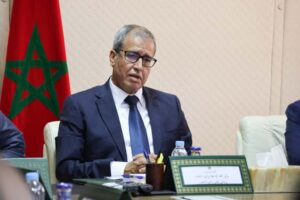
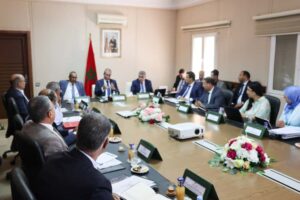
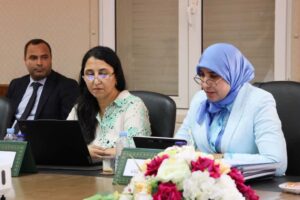
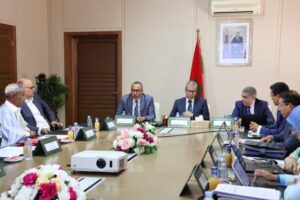
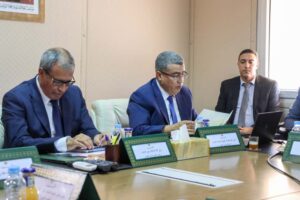
As part of the implementation of advanced regionalization and the reform of the water supply, electricity, and liquid sanitation distribution sector, the Board of Directors of the Dakhla–Oued Eddahab Multi-Service Regional Company convened on September 23, 2025, in Dakhla, under the presidency of Mr. Khalil Ali, the governor of the region and chairman of the Council. Also present were the company’s General Director, Mr. Moulay El Mehdi Rachid, the president of the regional council, representatives from local authorities, as well as delegates from the relevant ministries and the National Office of Electricity and Drinking Water (ONEE).
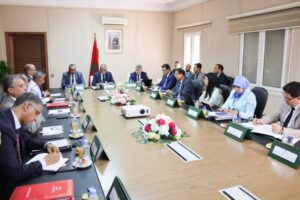
In his opening speech, the governor welcomed the appointment of the General Director, highlighting his extensive experience in public service management. He noted that this company represents a significant institutional lever to realize the reforms envisioned by Law 83.21. This new dynamic, he emphasized, aims to establish unified governance of distribution services at the regional level, enhance service quality, and ensure sustainable resource management. Consequently, a 30-year management contract, including investments totaling approximately 1.82 billion dirhams, was approved.
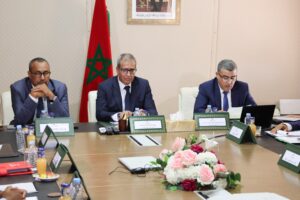
The Council also approved several strategic decisions: adoption of the company’s organizational structure, validation of the 2025 budget, establishment of a procedural manual, relocation of the corporate headquarters, and the launch of the company’s visual identity.
The company will officially commence its activities on October 6, 2025, taking over the management of the distribution services for water, electricity, and liquid sanitation at the regional level. Personnel from the agencies previously responsible for these tasks will be integrated, with all their professional and social rights maintained.
In conclusion, the governor urged all institutional and territorial stakeholders to actively support this strategic initiative to ensure the success of a structuring reform that marks the region’s entry into a new era of sustainable development and territorial cohesion.