Electrification: Morocco has one of the most extensive programs in Africa and the world.
Morocco’s Electrification Success Highlighted at Africa Investment Forum
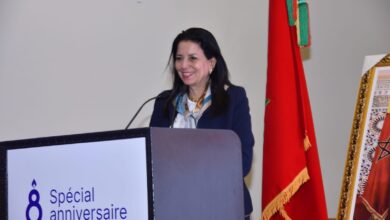
On Tuesday in Rabat, Tarik Hamane, the General Director of the National Office for Electricity and Potable Water (ONEE), emphasized Morocco’s remarkable achievement in increasing its electrification rate from 16% in 1996 to an impressive 99.9% by 2025. This development marks one of the most extensive electrification programs in Africa and worldwide.
"Just a few decades ago, Morocco faced a situation similar to what many African countries are experiencing today, with an electrification rate of only 16%. Thanks to the National Rural Electrification Program (PNER), the Kingdom has initiated one of the continent’s most ambitious electrification efforts," stated Hamane during the Mission 300 Day (M300) held alongside the Africa Investment Forum (AIF) 2025.
The Director General of ONEE noted that this transformation confirms the feasibility of the Mission 300 objective, which aims to connect 300 million people to electricity by 2030.
In this context, he expressed Morocco’s willingness to share its expertise with partner African nations and to support this initiative, believing that its experience can provide significant contributions in various areas—including technical aspects, planning, infrastructure management, operations, and capacity building.
Hamane further explained that electrification is a catalyst for economic and social development, promoting job creation, the growth of small businesses, and economic agility. It also facilitates access to digital technology, improves healthcare, and opens new opportunities for communities.
In a related perspective, Wale Shonibare, Director of Energy at the African Development Bank (AfDB), underscored the critical importance of national leadership as represented by the national energy compacts launched during the meeting.
He noted that governments cannot solely finance their electrification needs; therefore, the private sector must play a significant role in this transformation. Shonibare affirmed that the AIF serves as a strategic platform for countries to present their reforms and attract international investors.
He also indicated that this meeting represents a serious conversation inviting investors from around the world, providing African countries an opportunity to showcase their strengths and reforms to entice private capital—essential for achieving the ambitious goals of Mission 300 aimed at eradicating energy poverty on the continent.
Drawing on lessons learned from previous meetings in Tanzania, London, New York, and the upcoming African Climate and Mobility Forum (ACMF) in Johannesburg, the Mission 300 partners propose a series of dedicated commitments within the AIF. These will combine transactional deepening, peer learning, and targeted networking opportunities between governments and private investors.
The AIF, scheduled from November 26 to 28 under the theme "Bridging the Gaps: Mobilizing Private Capital to Unlock Africa’s Full Potential," serves as an investment platform aimed at facilitating international investments in Africa by bringing together project developers, financiers, governments, and other key stakeholders to finalize transactions.