
GMT+1: Weighing Economic Benefits Against Social Fatigue
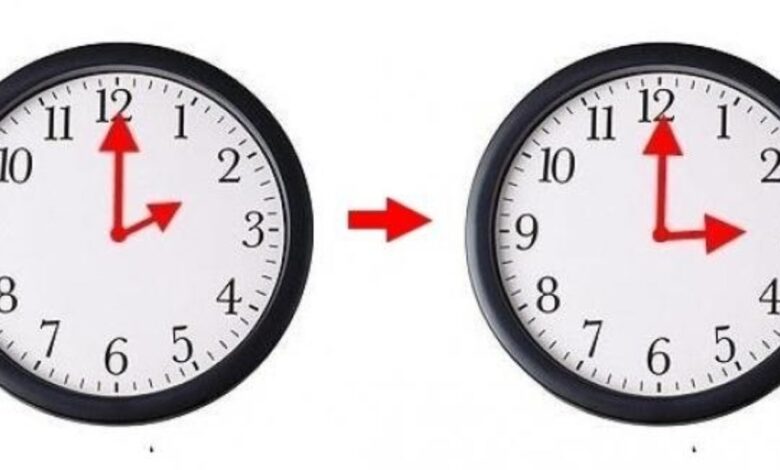
The Ongoing Debate Surrounding GMT+1 in Morocco
The implementation of GMT+1 in Morocco continues to stir national debate. Adopted permanently since 2018 (excluding the Ramadan period), this strategic decision aims to bolster the Moroccan economy. However, it raises concerns related to social fatigue and the quality of life of citizens.
Why Did Morocco Adopt GMT+1?
The shift to GMT+1 primarily aligns with economic objectives. By synchronizing with European schedules, the kingdom facilitates international trade, particularly with its key partners in Europe. This time zone also enhances the competitiveness of Moroccan businesses and streamlines financial transactions. Additionally, authorities highlight improved energy consumption management due to reduced evening lighting.
GMT+1 in Morocco: Increasing Social Fatigue
Despite its economic benefits, the time change in Morocco has a direct impact on the daily lives of citizens. Many Moroccans report experiencing persistent fatigue, particularly during the dark winter mornings. Students and workers are notably affected. The lack of natural light in the morning can undermine concentration, productivity, and overall well-being. This situation fosters a sense of unease in numerous households.
A Decision that Raises Trust Issues Among Citizens
The decision to maintain GMT+1 year-round also raises concerns regarding public decision-making communication. Some citizens feel inadequately consulted, contributing to a crisis of trust in institutions. This debate transcends the simple issue of time, touching on broader themes of governance and citizen participation.
GMT+1 in Morocco: A Conversation Still Relevant Today
Currently, the issue of the time zone in Morocco remains open. Opinions are divided between the economic advantages of GMT+1 and its social impacts. Some advocate for a return to the legal GMT, while others argue for retaining GMT+1 to sustain the country’s economic momentum.