Morocco’s tax revenues increase by 10.4 billion dirhams by the end of April 2026.
Morocco’s Tax Revenue Sees Significant Increase
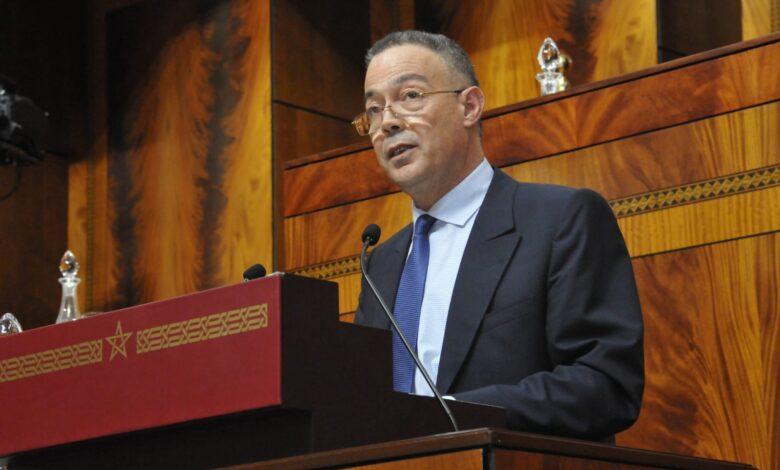
As of the end of April 2026, Morocco’s tax revenue rose by a substantial 10.4 billion dirhams, according to Minister Delegate for Budget, Fouzi Lekjaa, during his remarks to the Chamber of Counselors regarding the implementation of the 2026 finance law.
Strong Contributions from Corporate Tax
This increase is primarily driven by robust performance in corporate tax (IS), which grew by 9.1 billion dirhams, marking a 25% rise compared to the same period last year. Personal income tax (IR) also saw an uptick, increasing by 1 billion dirhams (+4.8%), while Value Added Tax (VAT) recorded a growth of 1.3 billion dirhams (+4%), achieving a realization rate of about 49% by the end of April.
Furthermore, registration and stamp duties surged by 1 billion dirhams (+11.4%), while the domestic consumption tax (TIC) increased by 854 million dirhams, buoyed by an estimated 7.4% improvement in domestic consumption.
Support Expenditure and Social Measures
On the expenditure front, the implementation of the 2026 finance law is generally on track with forecasts, continuing several support measures aimed at alleviating the impact of the economic situation.
These measures include:
- Approximately 600 million dirhams per month to subsidize butane gas.
- 650 million dirhams for stabilizing transportation tariffs.
- 300 million dirhams to maintain electricity prices.
The overall cost of supporting the electricity sector is expected to reach nearly 3 billion dirhams.
Controlled Inflation and Budget Objectives
The minister noted that inflation has remained low at the beginning of 2026, under 1%, before stabilizing around 0.9%, contributing to the stability of economic activity.
Additionally, the government aims to reduce the budget deficit to 3% of GDP by the end of 2026 and stabilize public debt at around 66% of GDP.
Structural Improvement of Public Finances
Regular revenues have increased from 256 billion dirhams in 2021 to 424 billion dirhams in 2025, reflecting an annual average growth of 13.5%, indicating a structural improvement in public finances.
Strengthened Confidence from International Institutions
Fouzi Lekjaa also highlighted the acknowledgment from international financial institutions. The International Monetary Fund (IMF) has confirmed Morocco’s eligibility for the flexible credit line, demonstrating the robustness of the national macroeconomic framework.
For their part, Standard & Poor’s has maintained Morocco’s rating in the “investment grade” category with a stable outlook, whereas Moody’s has upgraded the country’s sovereign rating outlook from “stable” to “positive,” further enhancing confidence among international markets.