Water Management in Morocco Facing the Challenges of Drought
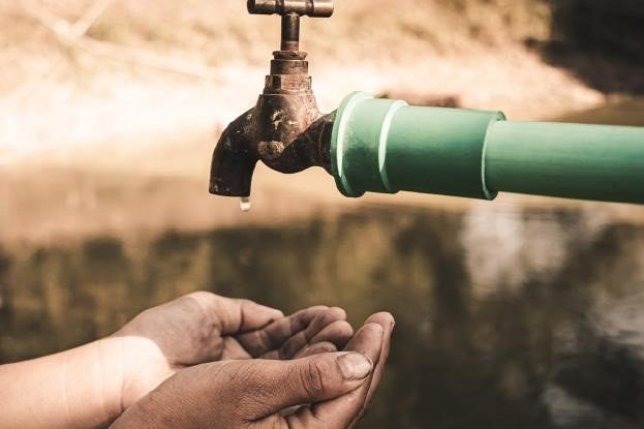
Water management has become a major issue in Morocco due to repeated droughts in recent years and climate change. Numerous media outlets have covered this topic, highlighting the challenges facing the country as well as the solutions implemented to ensure water security.
According to Le Monde in an article published on February 17, 2026, the abundant rainfall recorded this year has revitalized hope among Moroccan farmers after several challenging years. However, the newspaper emphasizes that these rains are not sufficient to sustainably resolve the issue of water stress. For the French publication, Morocco must continue its efforts to ensure sustainable management of its water resources. The country has experienced several years of rainfall deficits, with reservoir levels sometimes dropping below 30% in certain regions.
Meanwhile, LeBrief emphasizes seawater desalination as a strategic solution. In its article, the media explains that Morocco is heavily investing in the construction of desalination plants to meet the growing demand for drinking water. This technology is presented as a crucial response to the challenges posed by water scarcity. The Kingdom plans to increase its desalination capacity to produce over 1.7 billion cubic meters of water annually by 2030.
Lastly, Médias24 focuses on international cooperation in the water sector. The media reports the launch of a 3.7 billion dirham program between Morocco and the European Union to support the national water policy. This partnership aims to improve hydraulic infrastructure and enhance the country’s capacity to cope with drought periods. Official data shows that available water resources per capita have decreased from over 2,500 cubic meters per year in the 1960s to less than 600 cubic meters today, placing Morocco in a state of water stress.
Through these various articles, media outlets agree that water management is one of Morocco’s greatest challenges. Despite recent rains, significant investments and innovative solutions are still necessary to ensure the country’s long-term water security. Statistics indicate that water demand continues to rise due to population growth and economic development, making more effective and sustainable resource management essential.